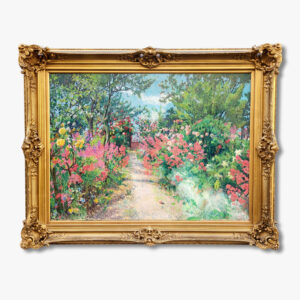
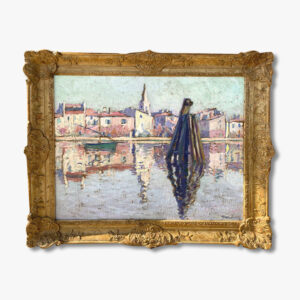
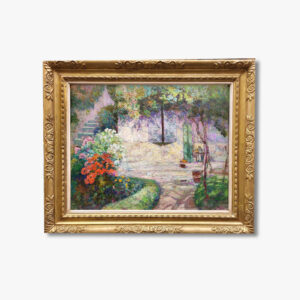
Oil on canvas, Summer Colors by Henri DOUCET
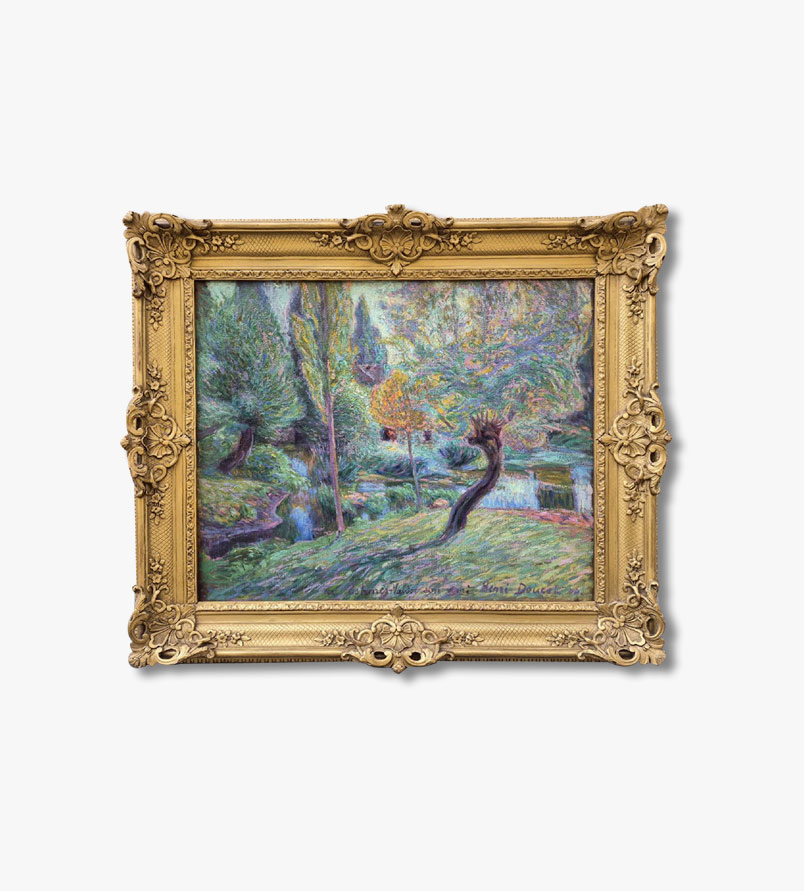
Oil on canvas, Summer Colors by Henri DOUCET
Prix sur demande / prices on request
Henri DOUCET 1883–1915
Born into a modest family, his father worked as a gunsmith at the Châtellerault Arms Factory.
Drawn by the opportunities offered by the capital, he moved to Paris at the end of the 19th century and participated in the decorative work carried out for the pavilions at the 1900 World’s Fair.
Settling on Rue de Buci, he devoted his free time to copying ancient models in the galleries of the École des Beaux-Arts.
This diligent practice confirmed his calling and led him to embark on a full-fledged career as a painter.
It wasn’t long before his talent was noticed by Jean-Léon Gérôme, one of the leading figures in French academic painting, who welcomed him into his studio and encouraged him in his training.
Henri Doucet then took the entrance exam for the École des Beaux-Arts, where he placed second. He was enrolled at the École des Beaux-Arts until 1907.
Further information
| Dimensions | 91 × 70 cm |
|---|
He first worked under the guidance of Gabriel Ferrier, then joined Jean-Paul Laurens’ studio, where he developed a taste for ambitious and monumental compositions.
He eventually continued his apprenticeship under Henri Martin, with whom he collaborated on the set design for the Capitole in Toulouse
In 1905, Henri Doucet spent some time in Saint-Tropez, where he met Paul Signac, who introduced him to the principles of the Neo-Impressionist technique.
That same year, he undertook a trip to Italy that enriched his perception of form and color.
His work, marked by the influence of Paul Cézanne and the early Cubists, gradually gained recognition: as early as 1907, he exhibited his paintings at the Salon d’Automne and the Salon des Indépendants.
His work also attracted international attention, particularly following his participation in the Armory Show in February 1913.
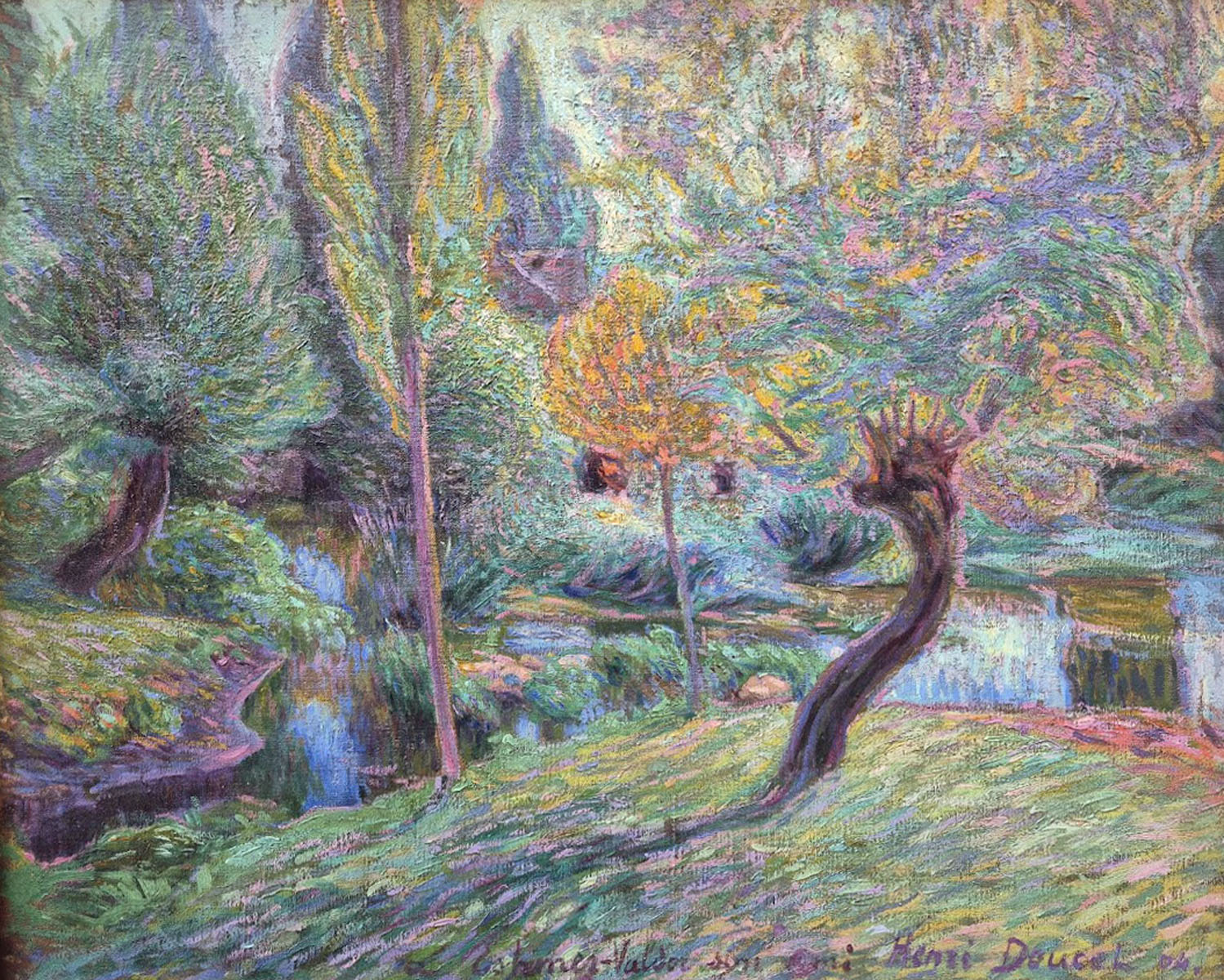
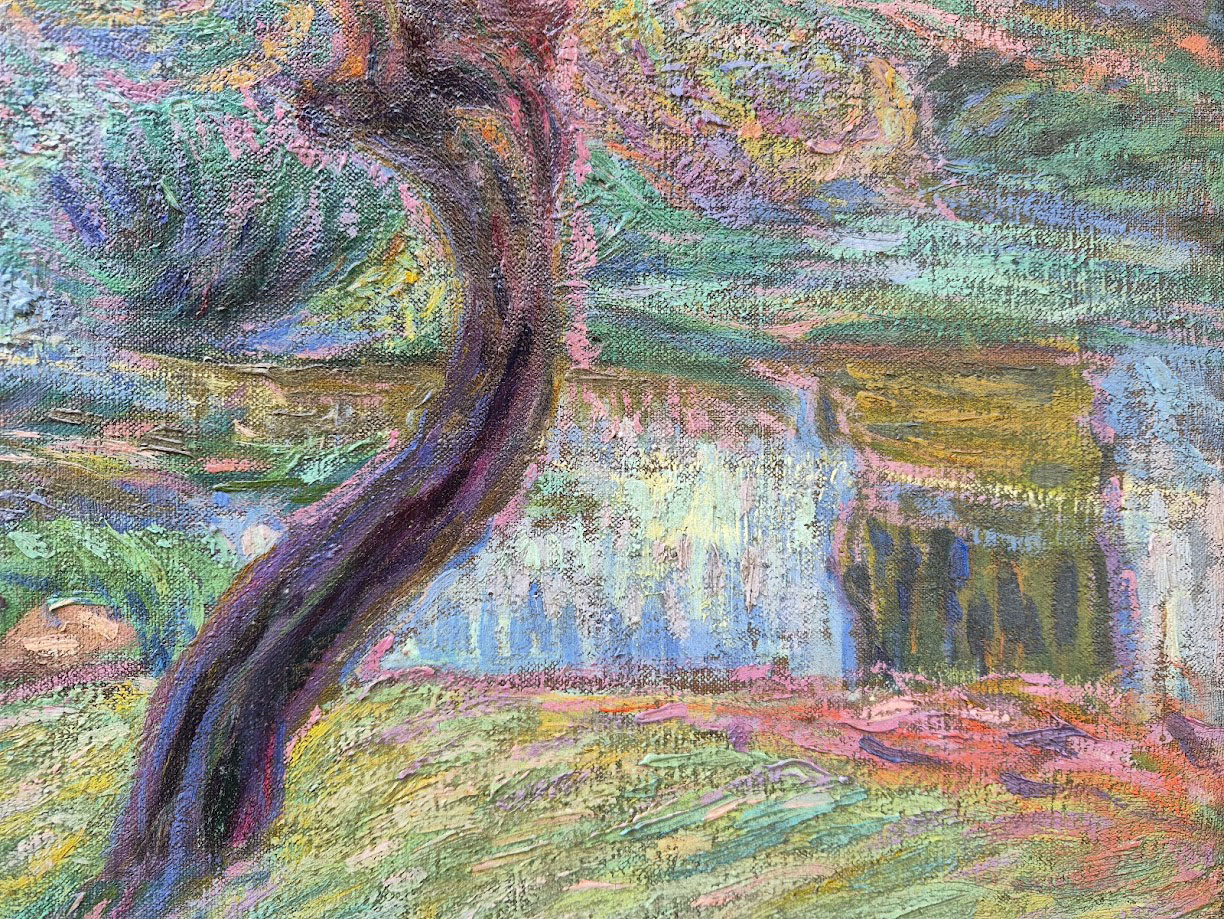
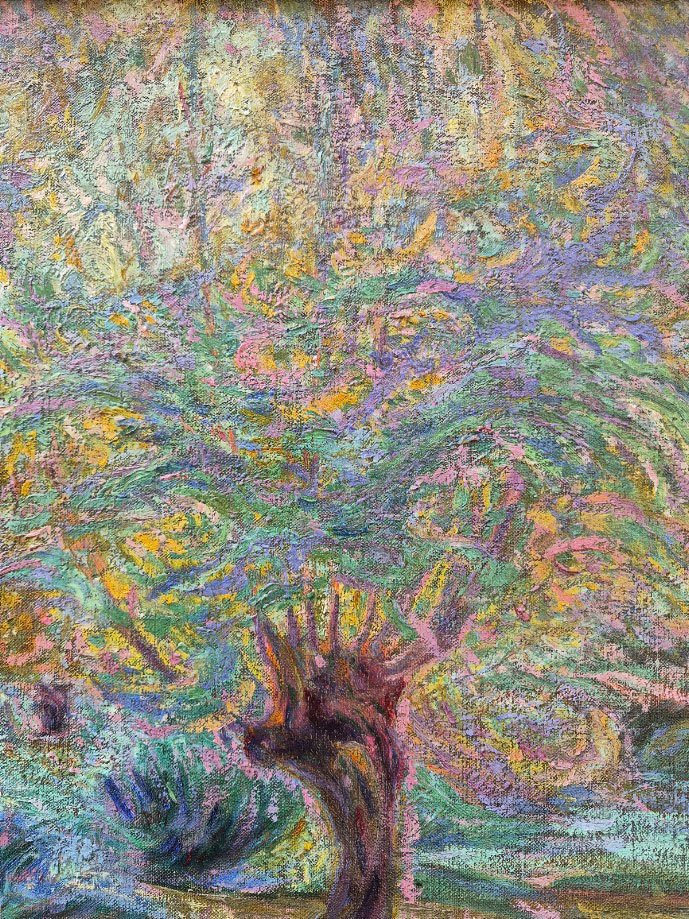
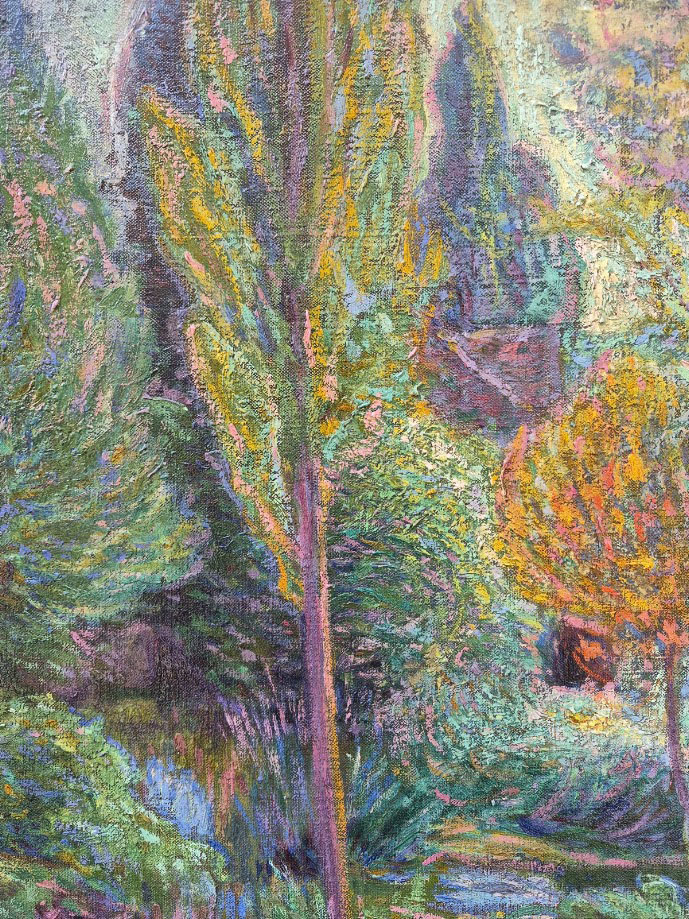
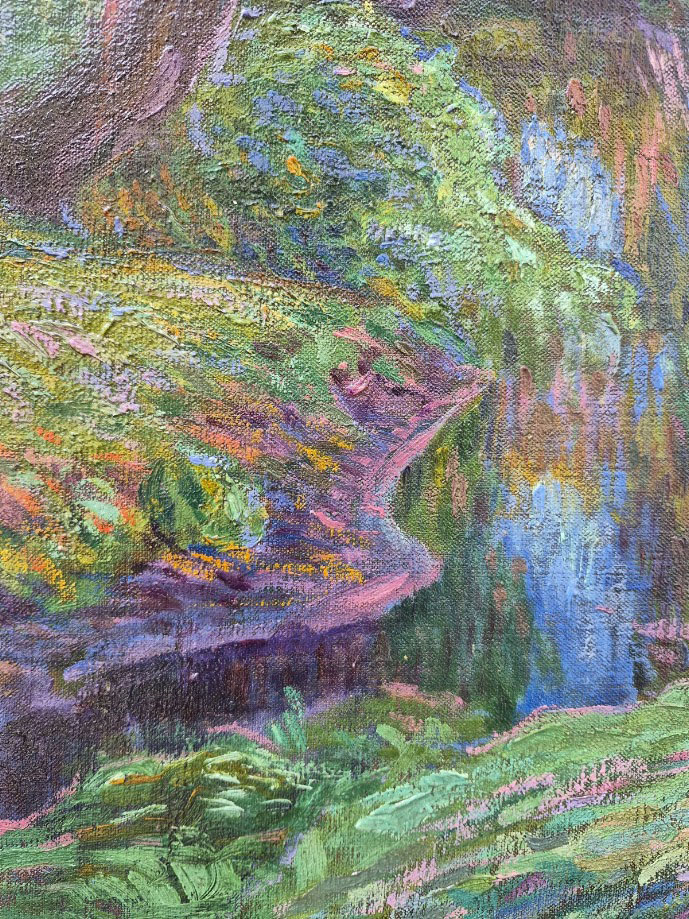
This landscape offers a remarkable synthesis of the influences that shaped Henri Doucet’s art throughout his brief but intense career.
The work reveals the artist's personal interpretation of Neo-Impressionist principles, without ever resorting to a strict application of the division of tones.
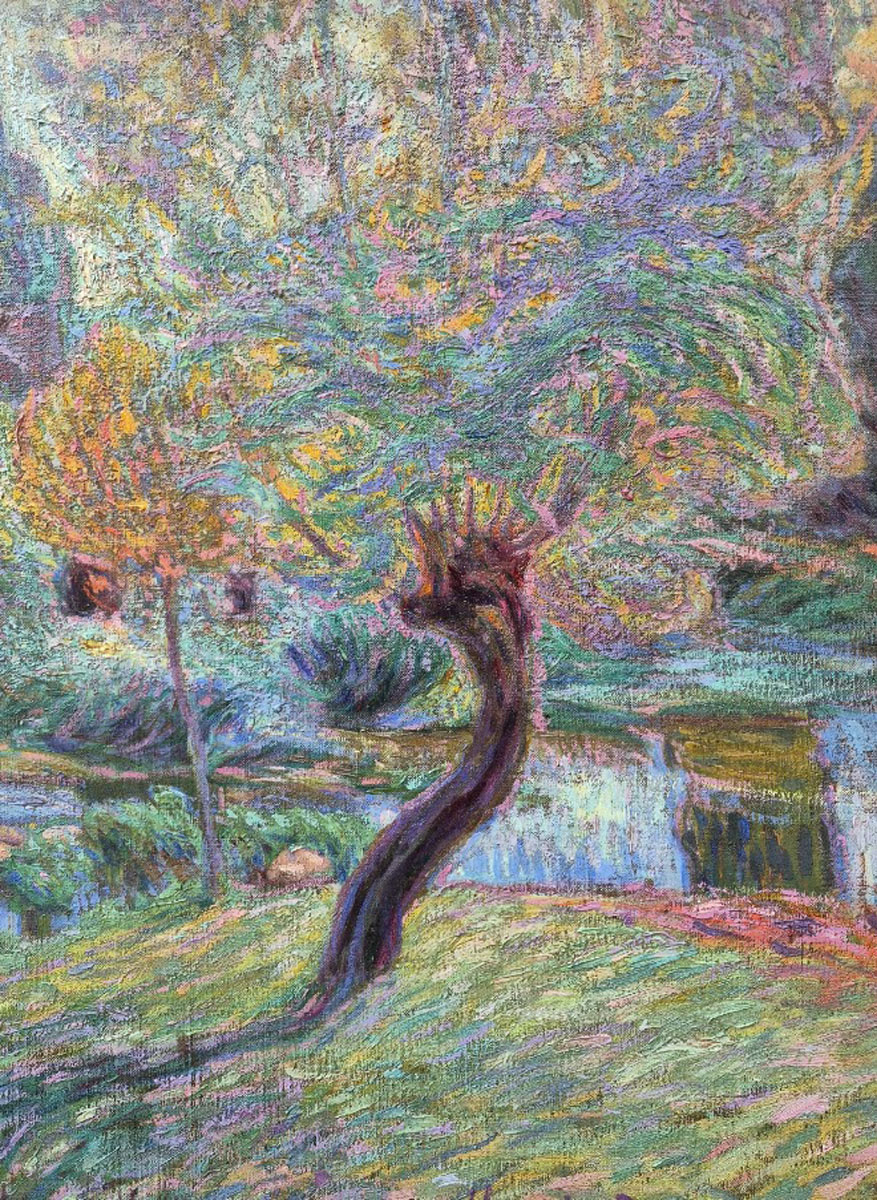
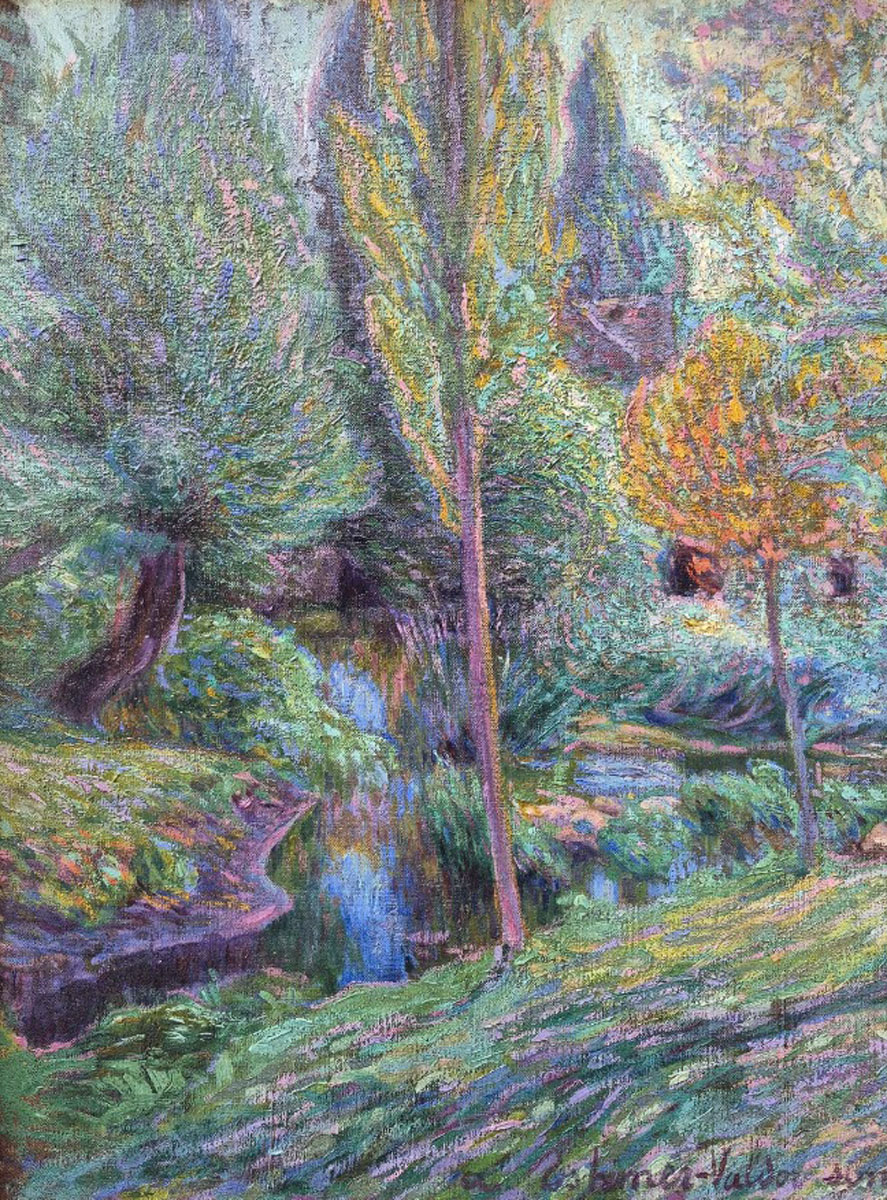
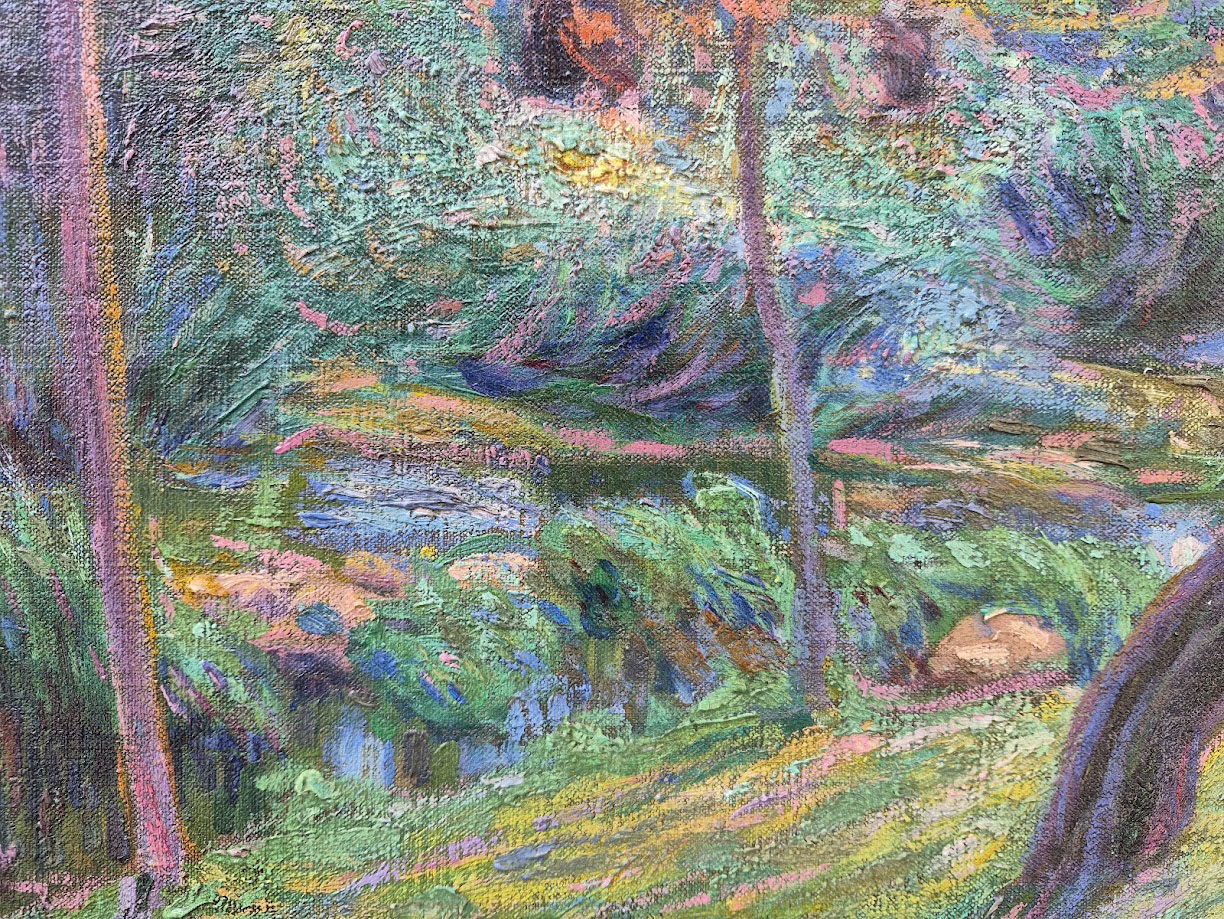
The painting is distinguished by a vibrant profusion of movement in the color:
The juxtaposed, swirling brushstrokes lend the vegetation and water an almost musical quality, where every shade pulses and vibrates.
Greens, blues, purples, and pinks intertwine in a continuous flow that animates the entire scene and conveys a sense of intense inner life.
This colorful movement conveys not only the energy of nature but also the painter’s sensitivity to light and atmosphere, creating a landscape that is both structured and in perpetual motion.