Drawing, Le Val de Grace by Luigi Louir
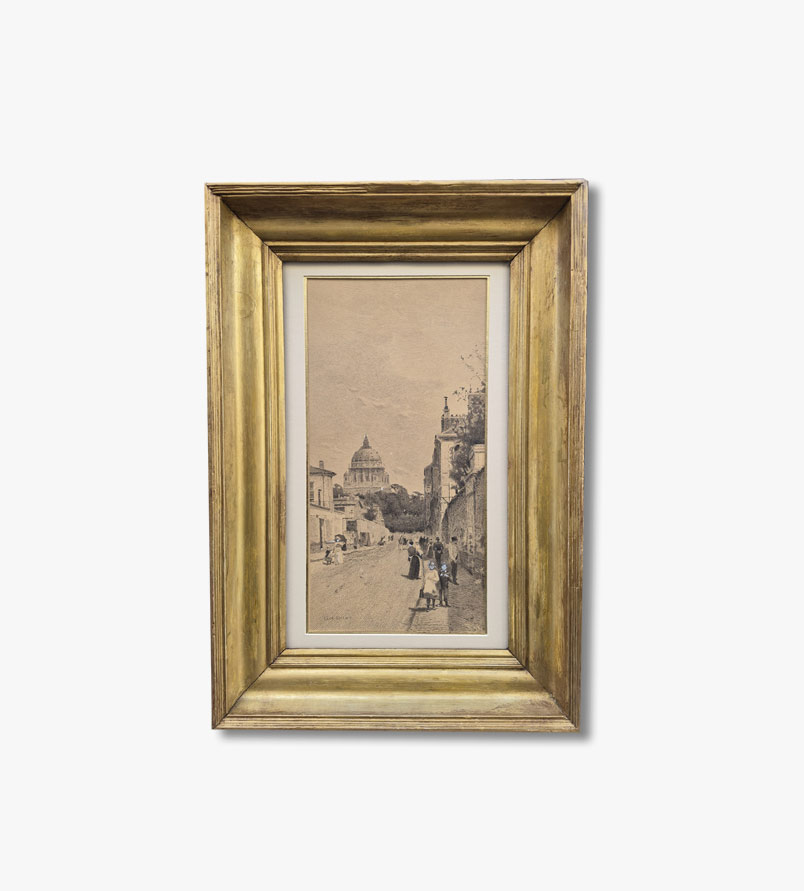
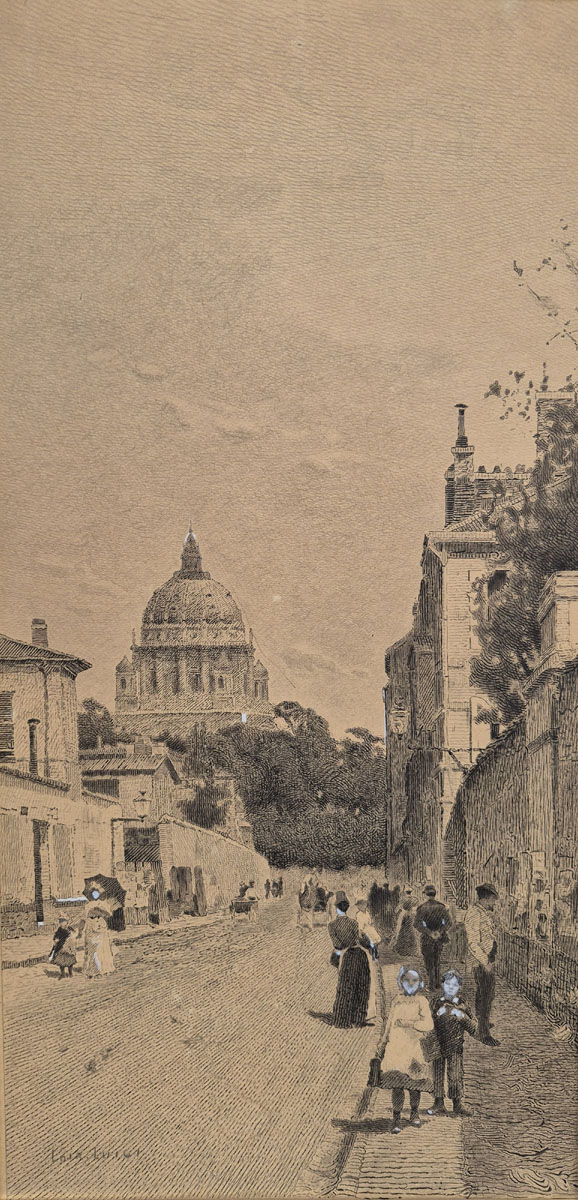
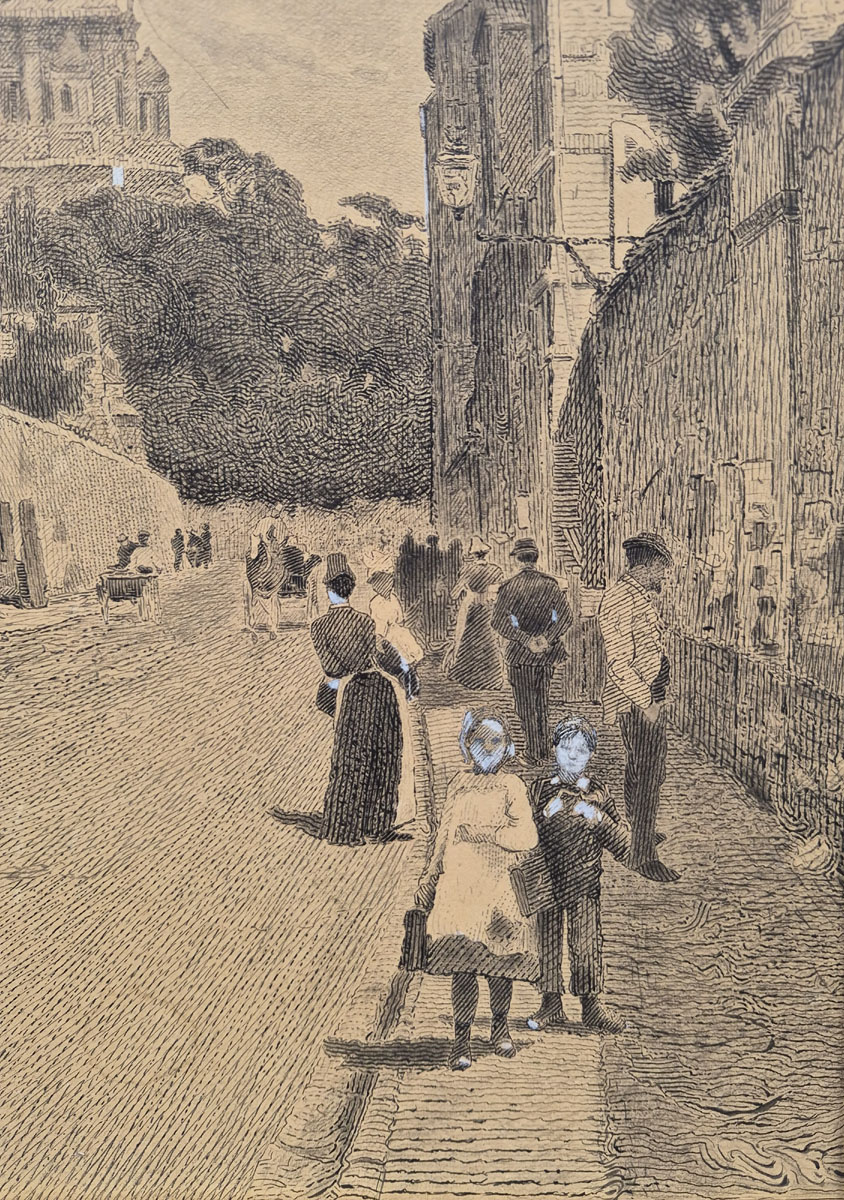
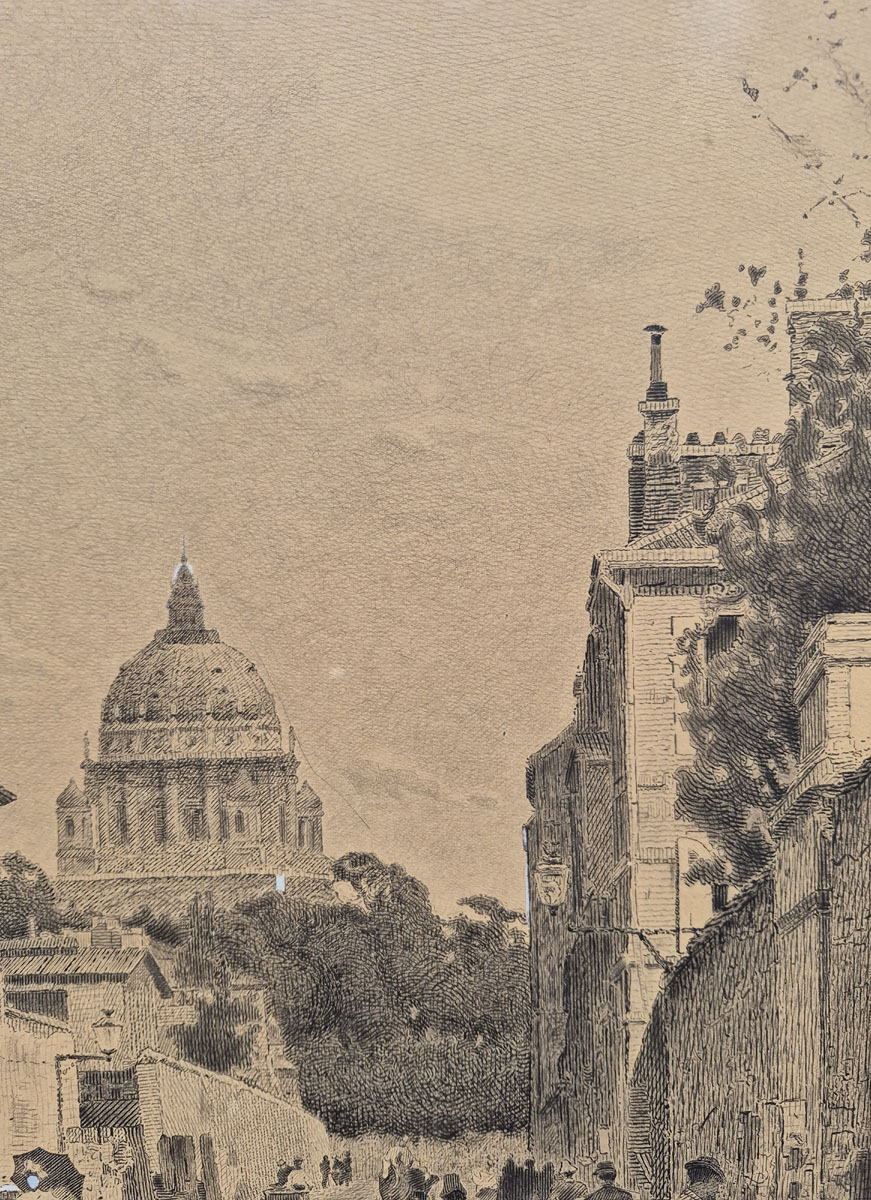
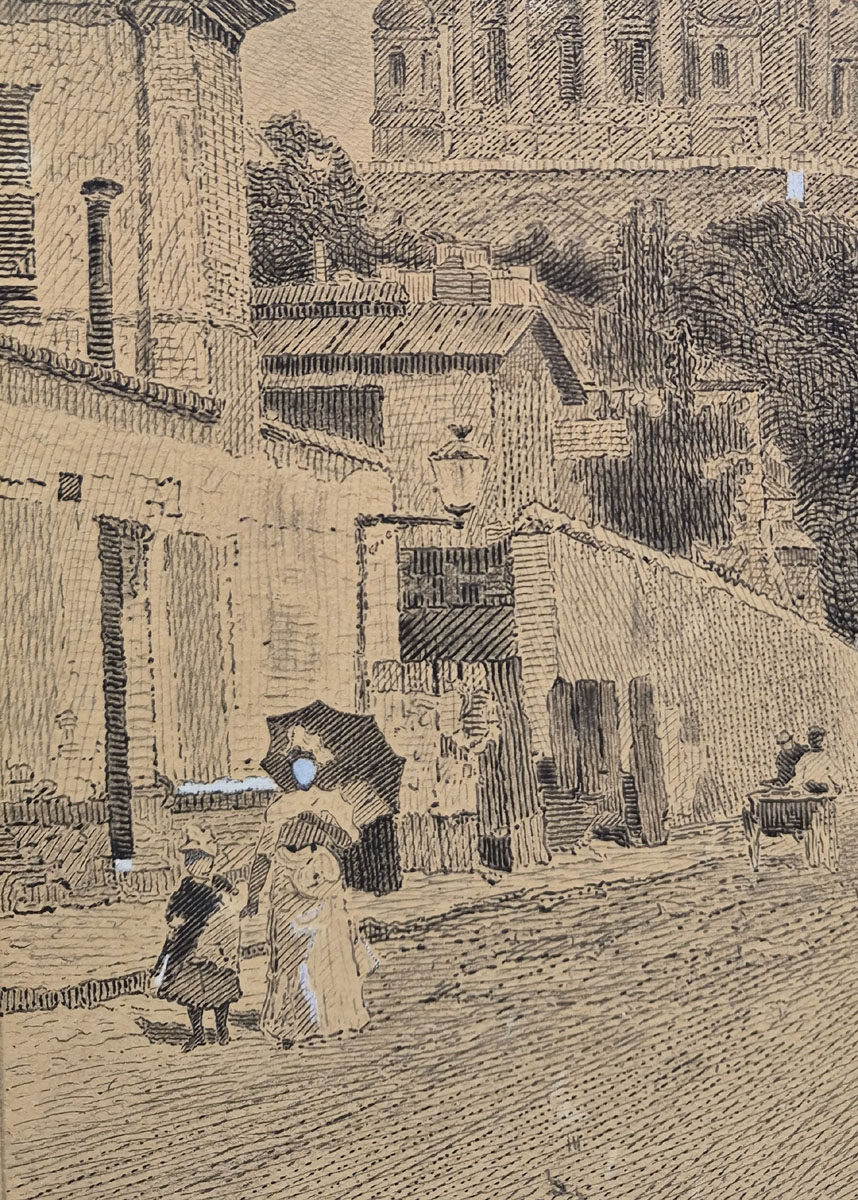
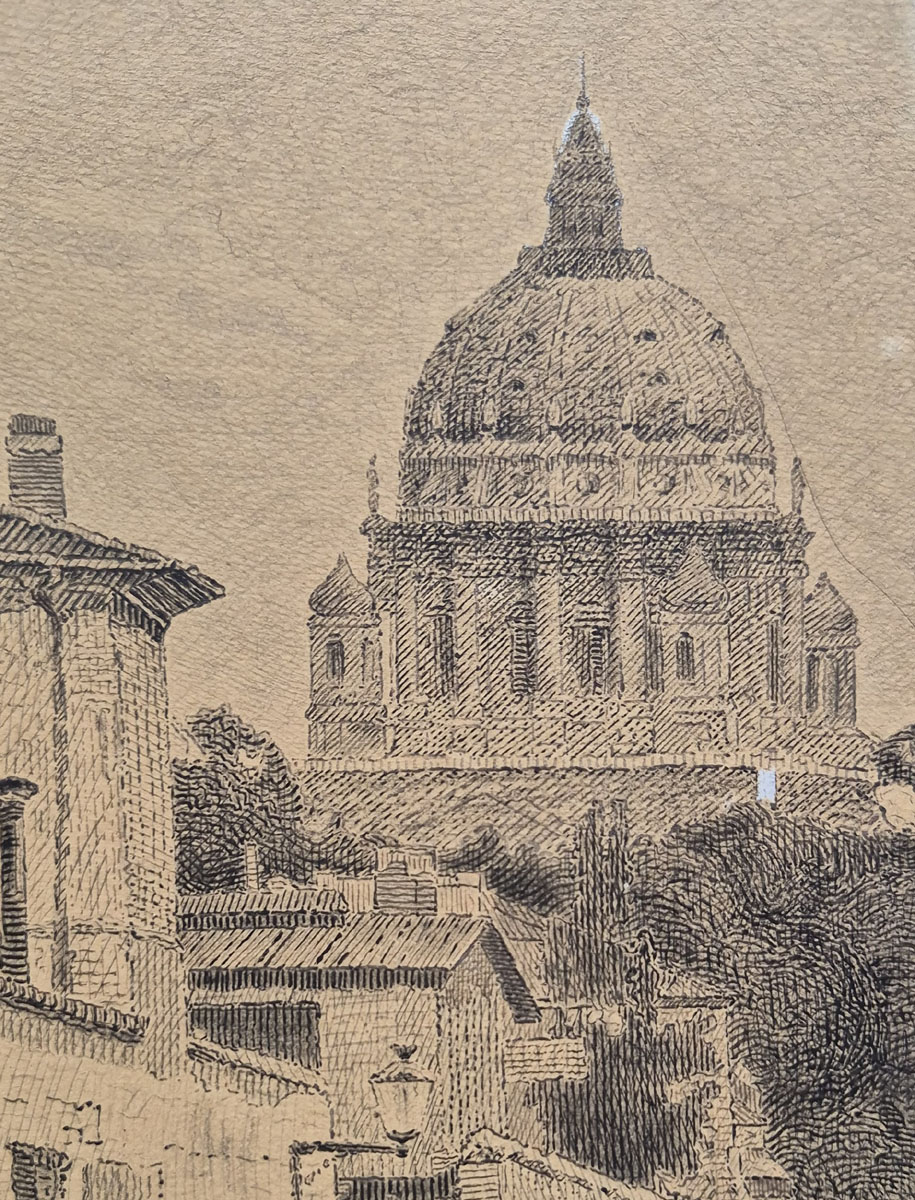
Drawing, Le Val de Grace by Luigi Louir
4.000,00 €
Luigi Loir 1845–1916
Under-glass drawing
20 x 43 cm
He is one of the greatest painters of late 19th-century Parisian life, known for his lively depictions of the capital, in which he skillfully captured its ever-changing atmosphere, lighting, and daily bustle.
Drawn to art from an early age, he enrolled at the Parma Academy of Fine Arts in 1853.
Ten years later, he moved to Paris, where he continued his training in the studio of the painter and decorator Pastelot.
He made his debut at the Paris Salon in 1865 with a Landscape at Villiers-sur-Seine, a work that quickly attracted the attention of critics.
In the early years of his career, he also worked as a painter and decorator, notably contributing to the set design for *Les Châteaux du Diable* in 1866.
Further information
| Dimensions | 41 × 61 cm |
|---|
After the Franco-Prussian War of 1870, during which he distinguished himself at the Battle of Le Bourget, Luigi Loir devoted himself almost exclusively to depicting Paris.
He thus became the preeminent chronicler of the modern capital, depicting its grand boulevards, bustling squares, markets, popular festivals, and streets in the rain or snow.
His work now stands as an exceptional record of Paris during the Belle Époque.
A regular exhibitor at the Salon des Artistes Français, he was awarded a third-class medal in 1879, a second-class medal, and then a gold medal at the 1889 World’s Fair.
The quality of his work was recognized with his appointment as a Knight of the Legion of Honor in 1898.
His compositions, often featuring numerous characters, combine documentary precision with artistic sensitivity.
Among his most notable works are *La Rue de la Pitié, vue du Val-de-Grâce* (view from Val-de-Grâce), housed at Paris City Hall, and *Un coin de la fête du Trône*(A Corner of the Throne Festival), a watercolor acquired by the Empress of Russia.
This work is a remarkable, fully realized sketch, executed in ink with highlights of white gouache. More than just a preparatory study, it demonstrates Luigi Loir’s graphic mastery and his enduring interest in this Parisian motif. Through the precision of its drawing, the subtlety of its play of light, and the balance of its composition, it already possesses all the qualities of a work in its own right.
In it, the artist depicts daily life in the neighborhoods surrounding the capital’s major monuments. In the background stands out the dome of Val-de-Grâce, a 17th-century church located in Paris’s 5th arrondissement, formerly the church of the Royal Abbey of Val-de-Grâce before it became a military hospital. This iconic monument, often depicted by painters, provides a powerful vanishing point that structures the entire composition.
The significance of this subject in Luigi Loir’s work is evidenced by the existence of several versions created on different media. This sheet thus appears to be a key step in the development of the paintings he would devote to this Parisian view. A painted version of similar dimensions