
An oil on canvas, *Le Crépucule* by Edmond YARZ
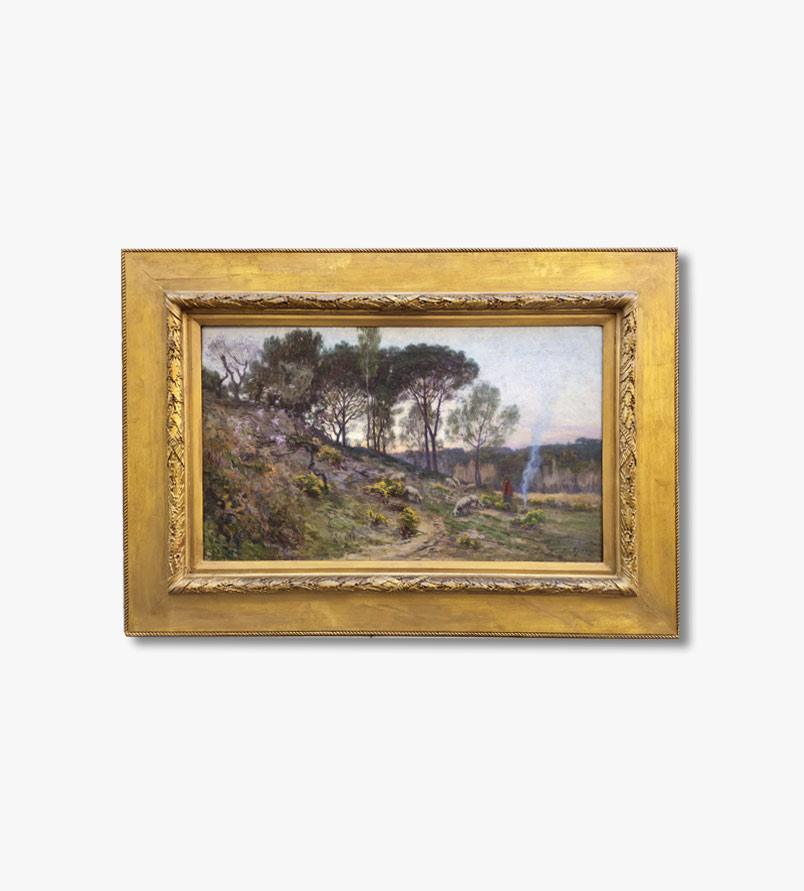
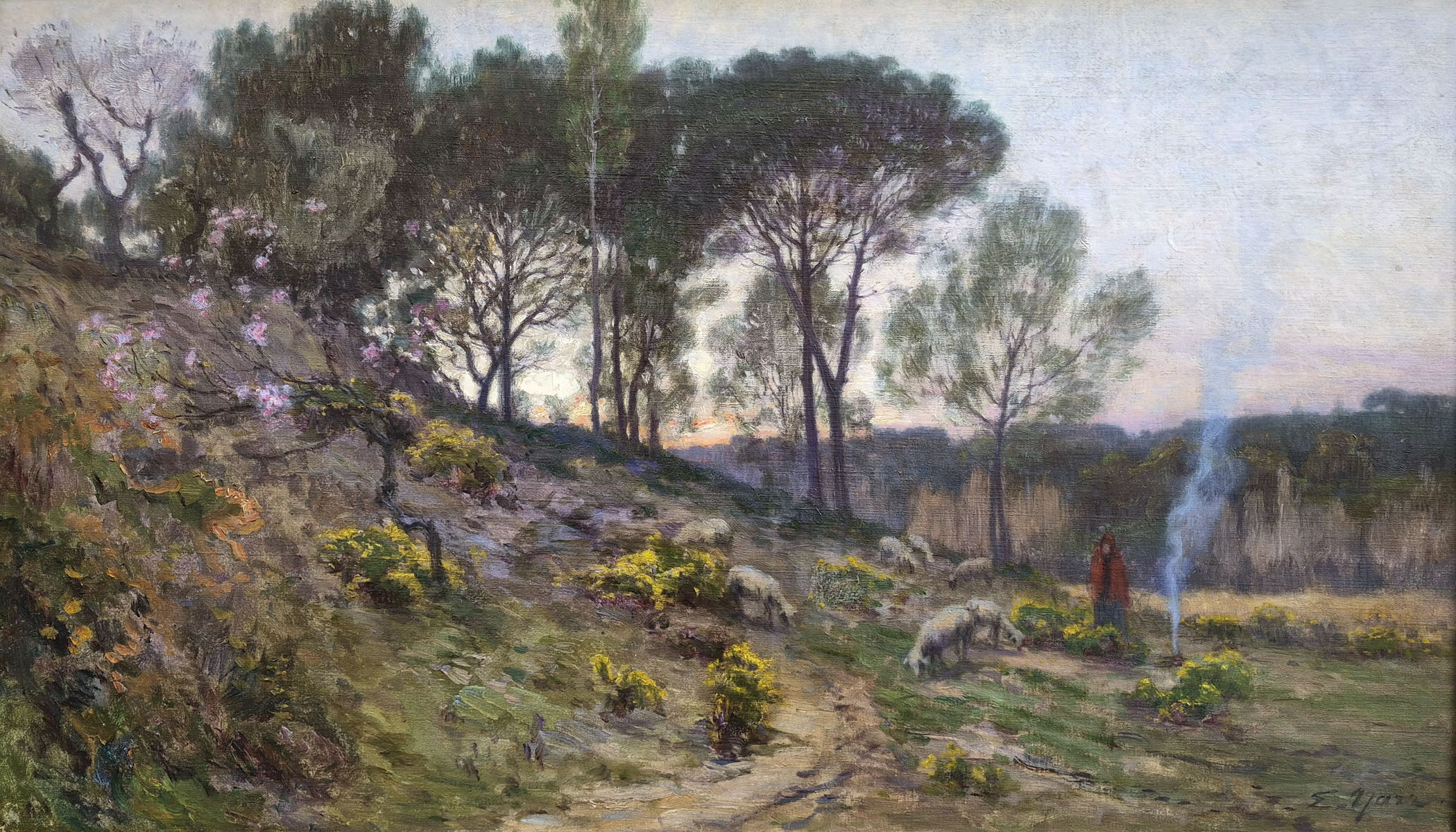
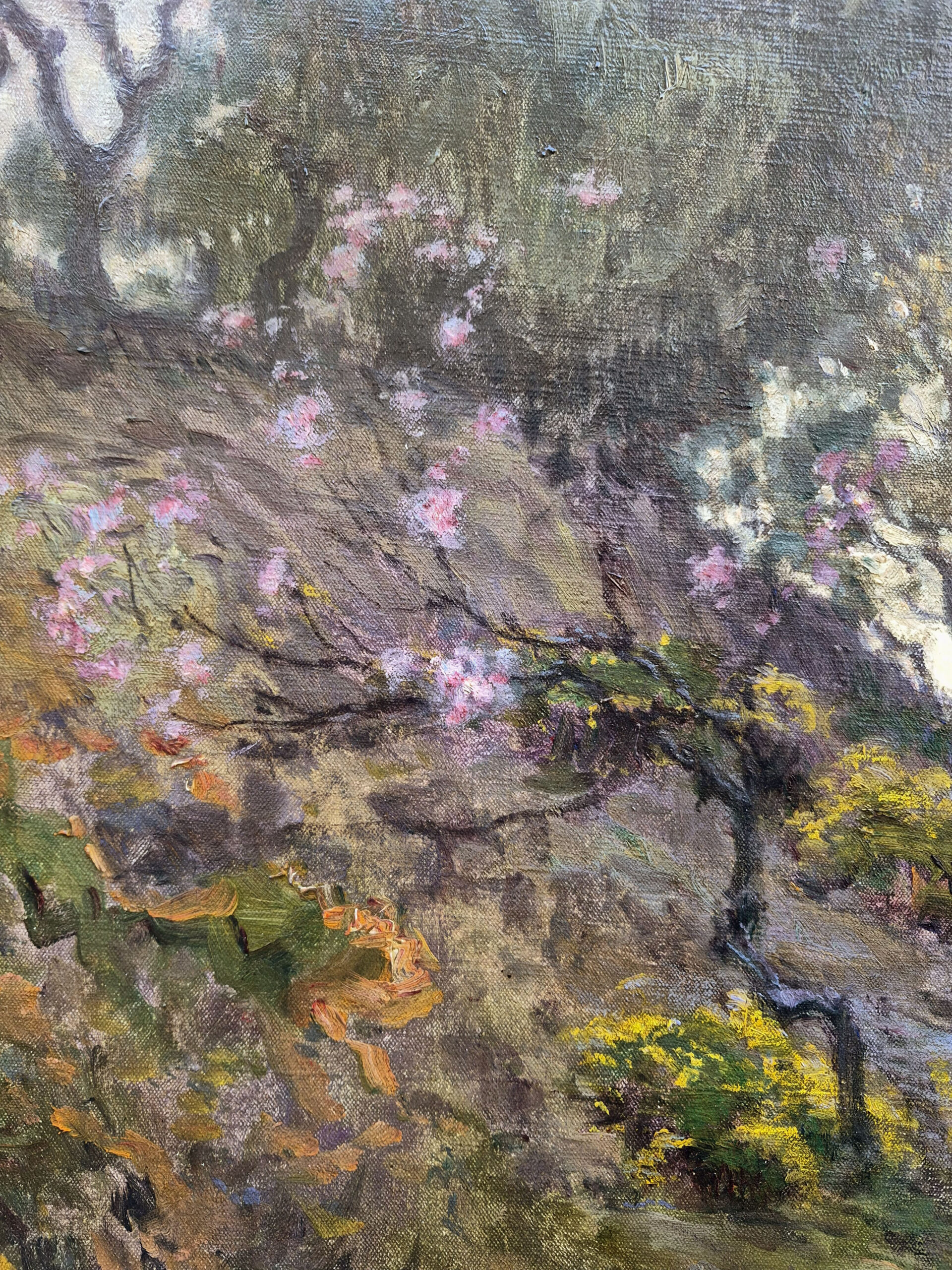
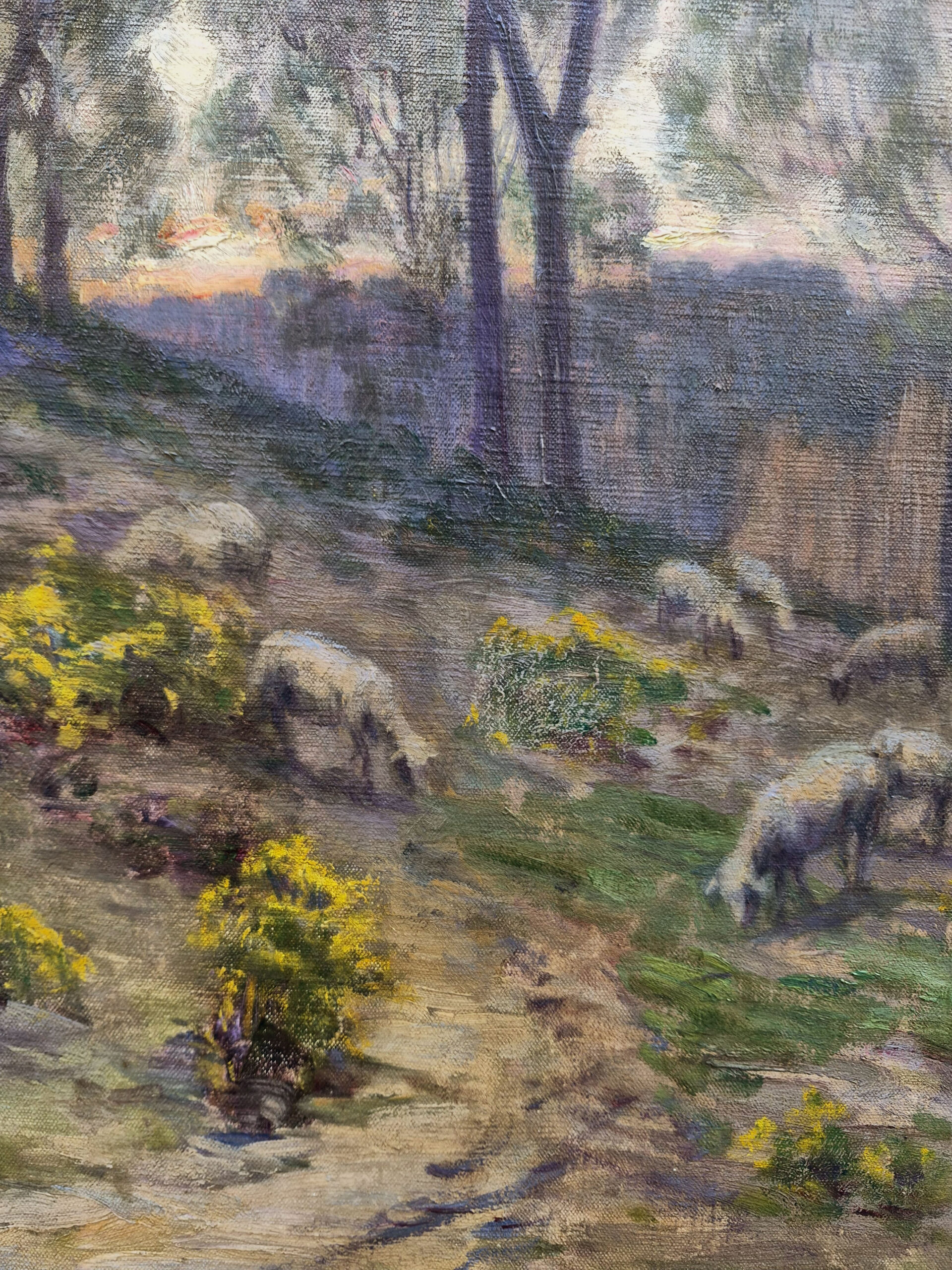
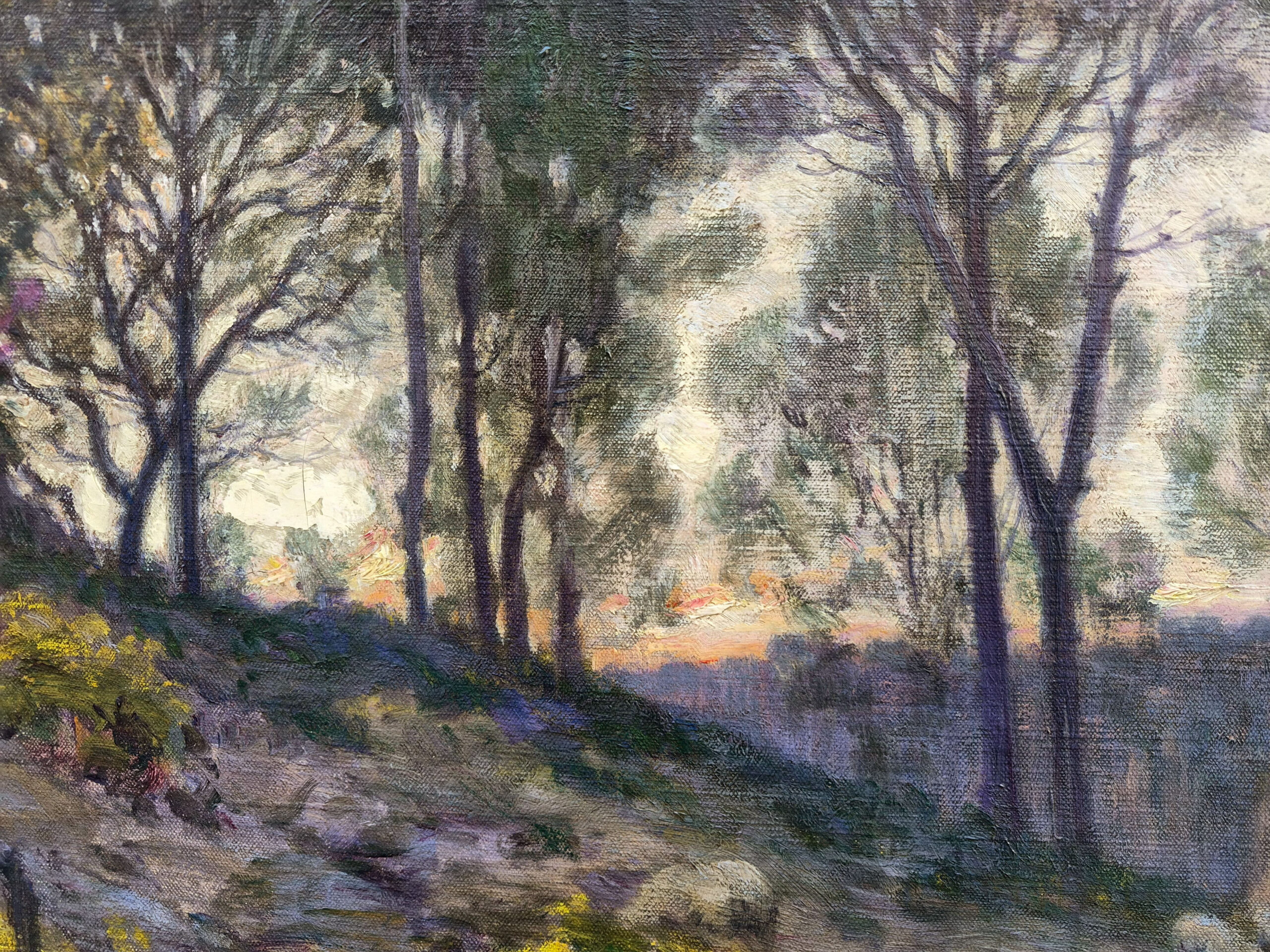
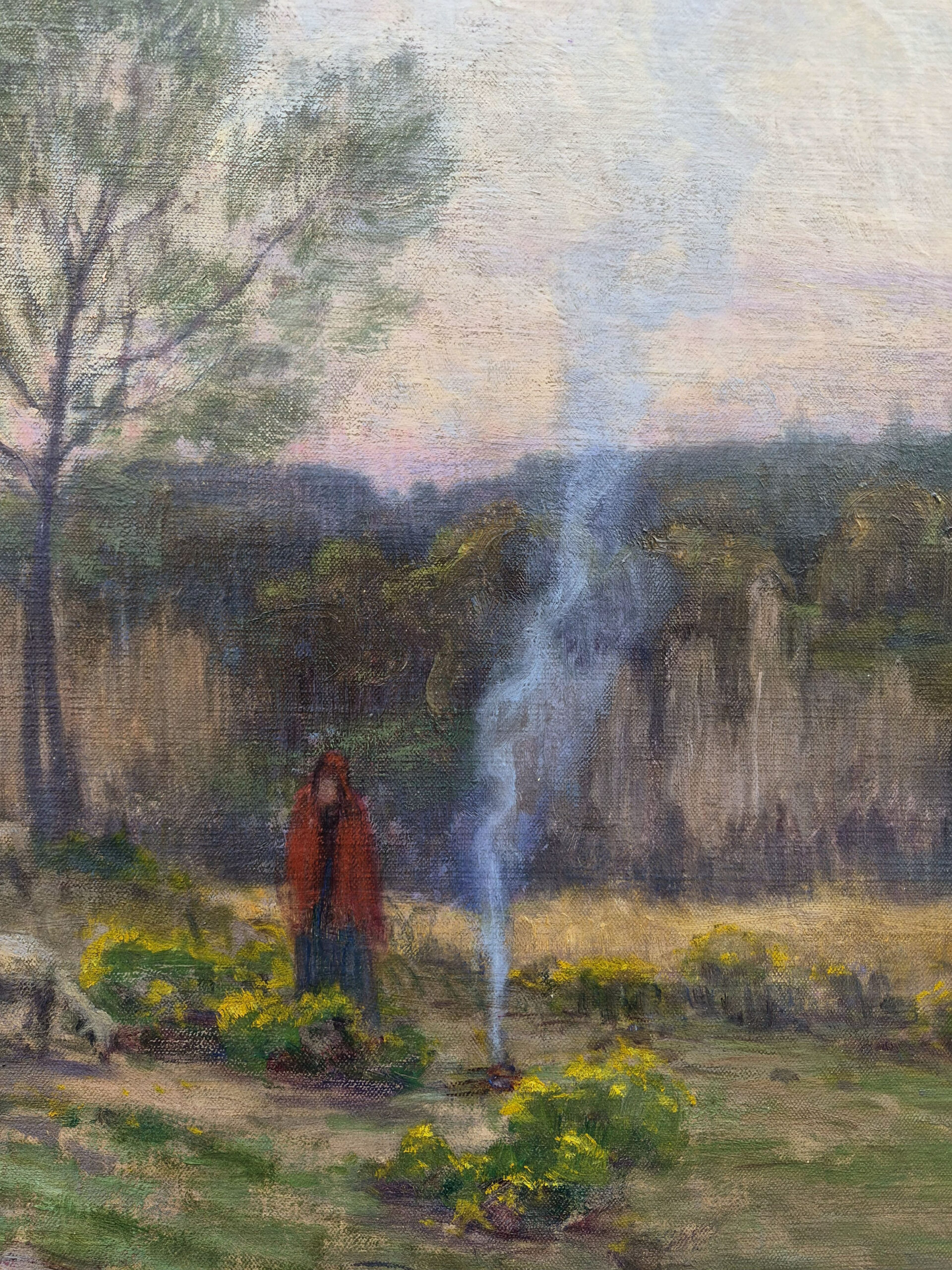
An oil on canvas, *Le Crépucule* by Edmond YARZ
Prix sur demande / prices on request
Edmond YARZ (1845–1920)
A native of Toulouse, he devotes his work to landscapes, ranging from the Garonne to the Pyrenees, including Provence and even Venice and Morocco. Yarz’s style bridges the Barbizon tradition and the Impressionist revival.
Light—whether at dusk or at dawn—will never cease to enhance the artist’s landscapes.
The artist began his studies at the Toulouse School of Fine Arts, in Dominique Baron’s studio, and then moved to Paris with his friend, the Orientalist painter Benjamin-Constant.
While his colleague is turning to grand historical compositions and succumbing to the charms of the Orient, Yarz continues to affirm his devotion to landscape painting—a passion he developed in Toulouse when he began painting en plein air along the banks of the Garonne.
His early exhibited works are rooted in the naturalist tradition, with a high degree of fidelity to the sites depicted.
Then, quite quickly, the painter began to expand his technique and sensibility toward a more emotional depiction of the landscape, paying close attention to changes in the atmosphere.
This was followed by a series in which, as the painter explains, he focused on the ever-changing beauty of light effects.
Further information
| Dimensions | 126 × 88 cm |
|---|
This romantic approach—which later came to resemble the Impressionist style—would pave the way for his success.
1881: Honorable Mention
1884: Third-Class Medal
1889: Silver Medal at the Paris World’s Fair
1890: Second-Class Medal
He also contributed to the decoration of the Capitole in Toulouse.
In particular, he created two large views of Toulouse, which hang on either side of a doorway in the city council chamber.
Twilight
Our painting has two labels on the back, including one that indicates the 1949 exhibition number.
This work was therefore exhibited at the Salon in 1895.
This luminous transitional period following sunset, when the last rays pierce the clouds to bathe the earth in light, is a recurring theme in Yarz’s work. This preference is evidenced by several works titled *Crépuscule* (Twilight), notably the one acquired by the French government in 1893—now housed at the Musée d’Orsay—as well as our own painting and other later works bearing the same title.
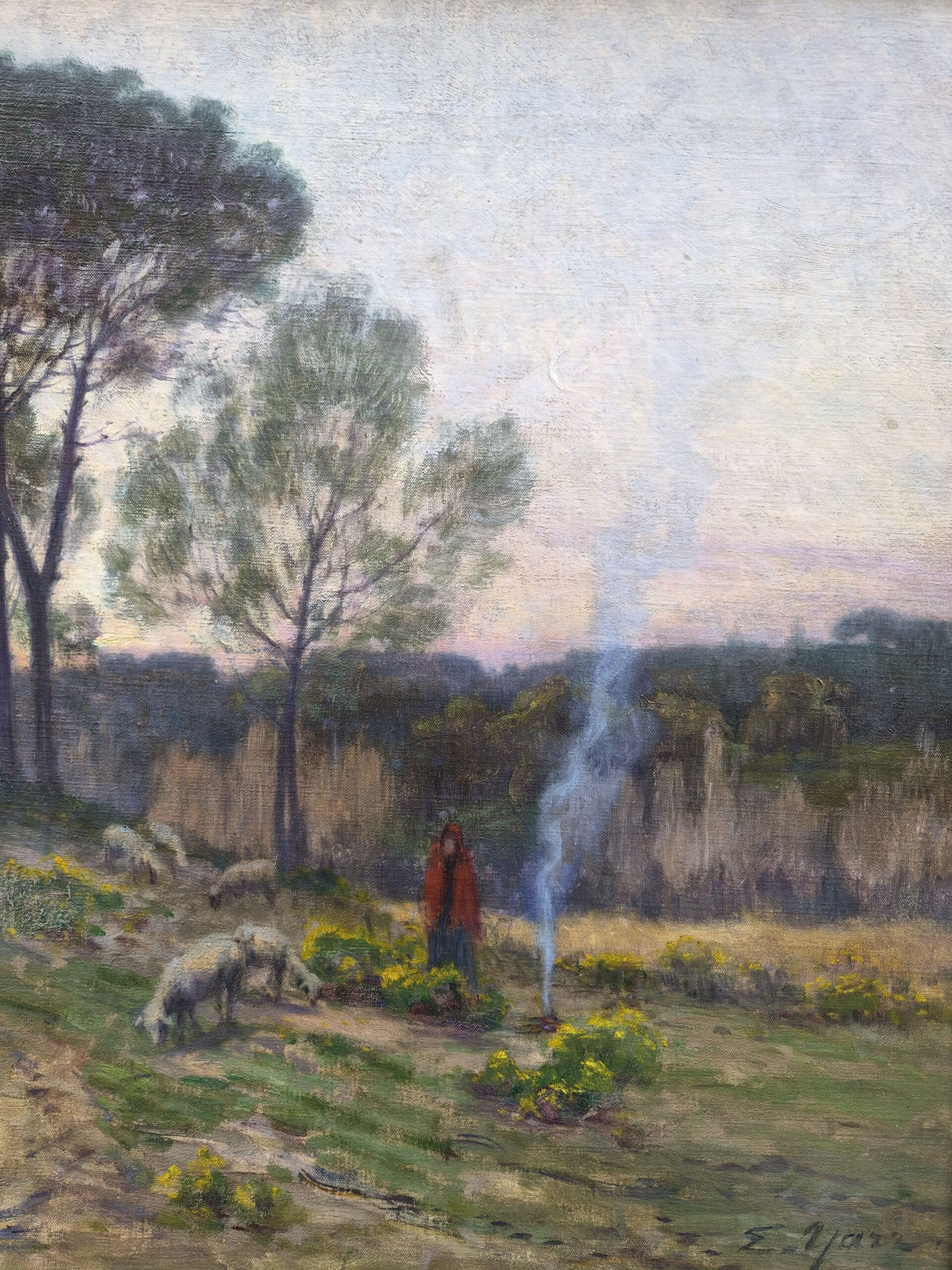
Here, a shepherdess wearing a red cape warms herself by a fire, while her sheep graze in a rolling landscape, sheltered by a long diagonal row of trees that filter the last rays of daylight.
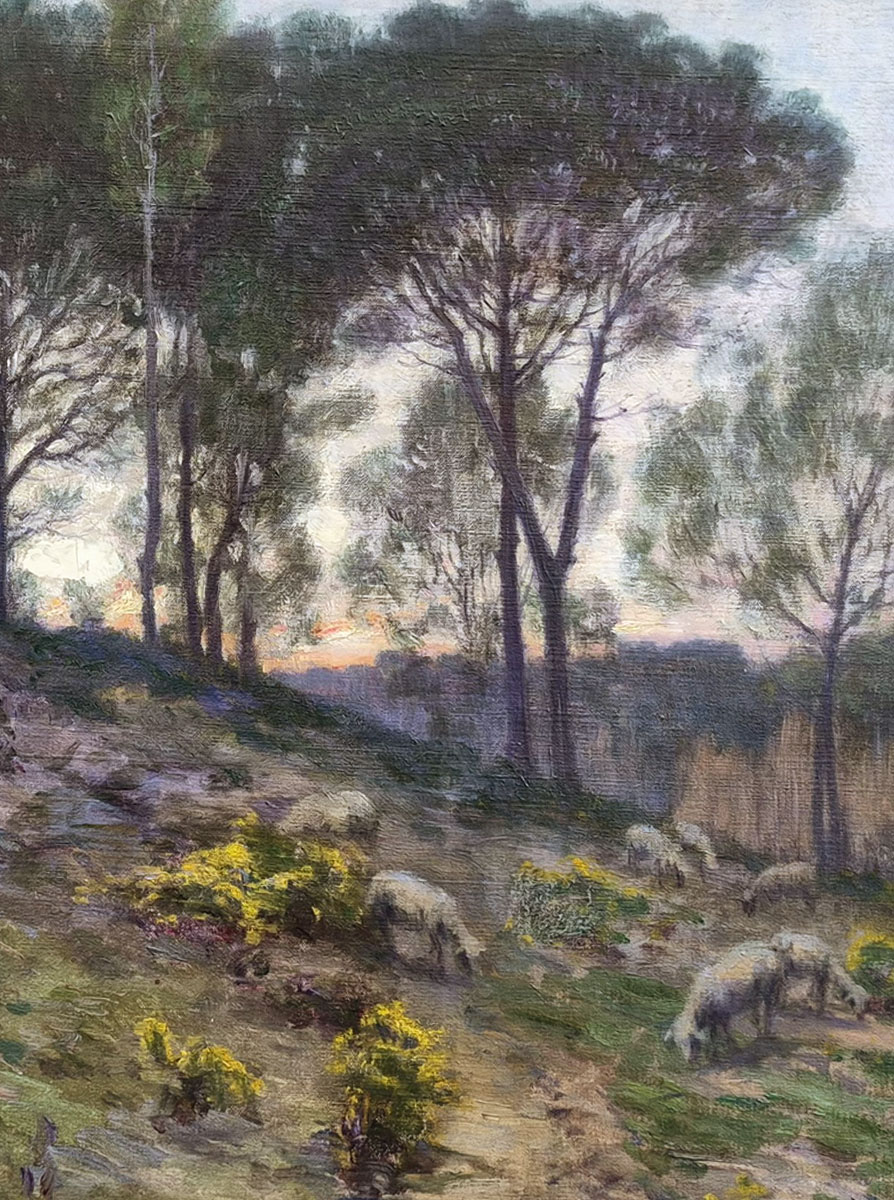
These tall trees overlooking the area define the landscape.
The subtlety of the work lies precisely there, in those warm rays of sunlight filtering through the cool tones of the trees.
This composition illustrates how Yarz sometimes uses the human figure to enhance the poetic quality of the landscape, without making it the main subject.
Wrapped in her red coat—a striking color that catches the viewer’s eye—she brings a touch of poetry and symbolism to the scene. Indeed, art lovers may see in her a reference to Little Red Riding Hood or witches, lending this landscape a mystical quality.
Yet this presence—both strong and discreet—blends perfectly into the silence of the late afternoon.