Oil on panel, *Gardens in Algiers* by William LAMBRECHT
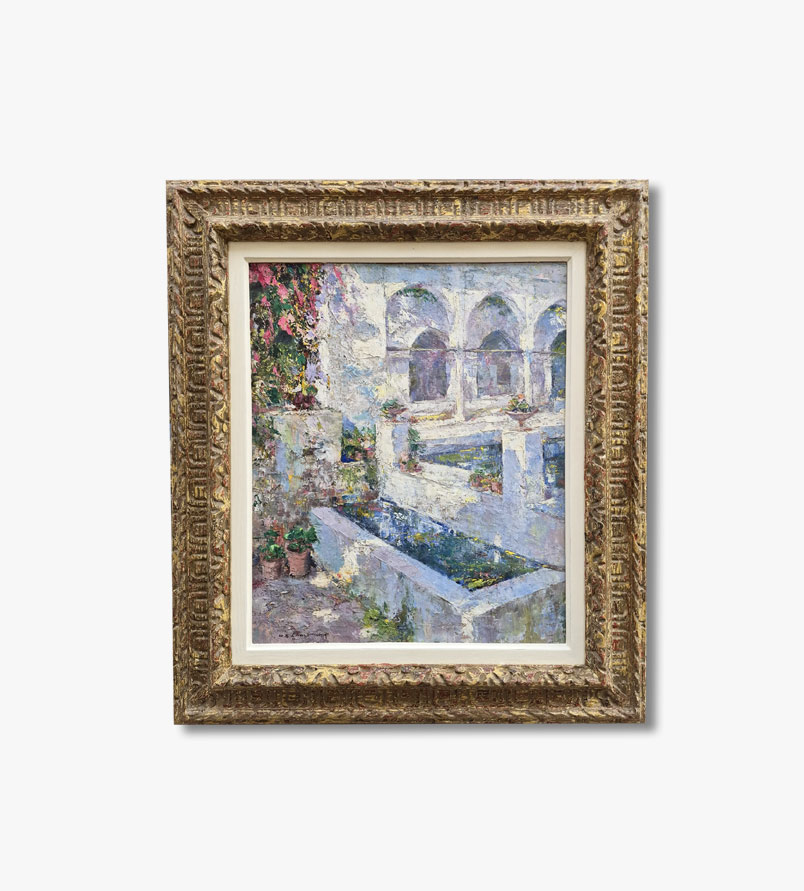
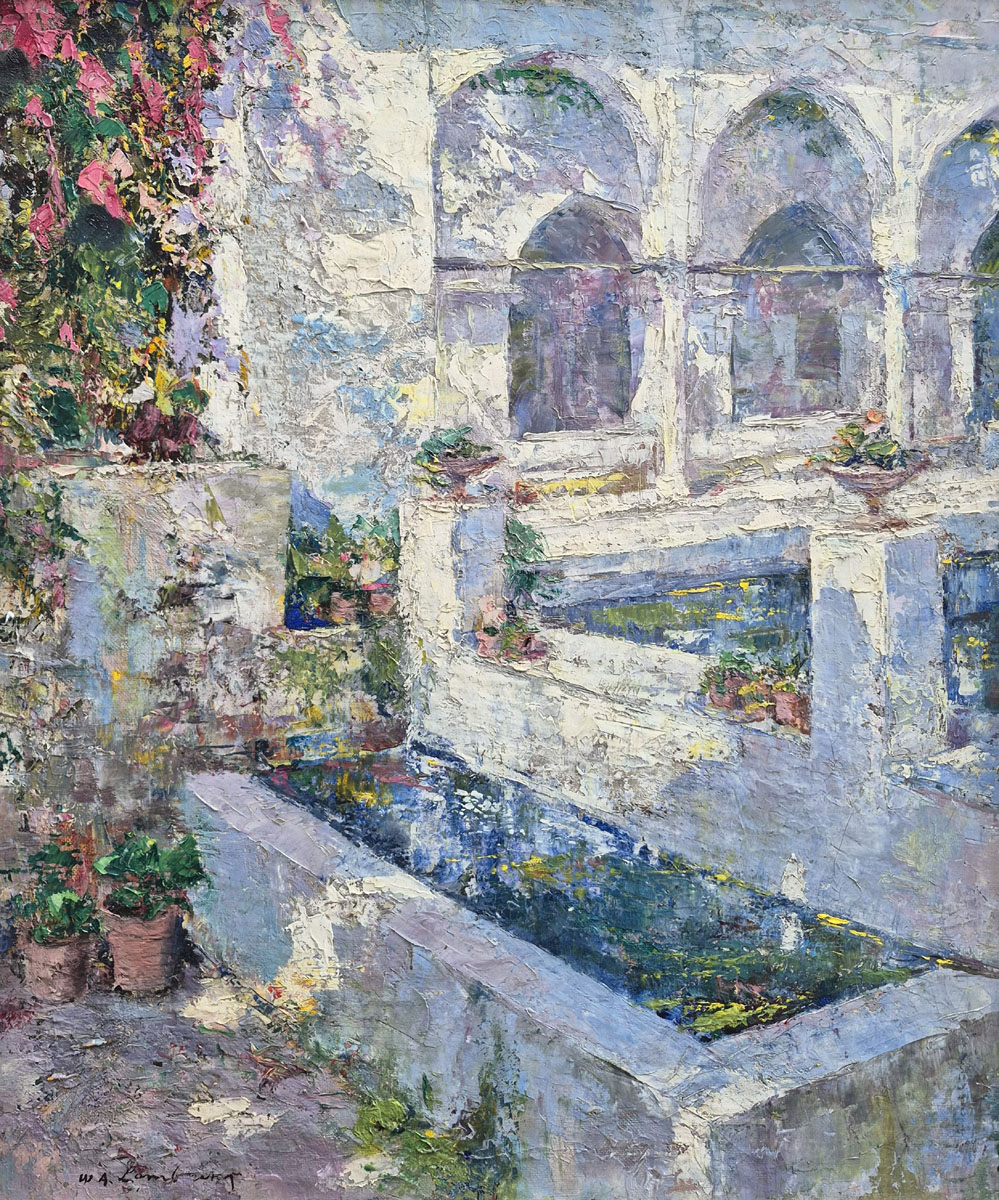
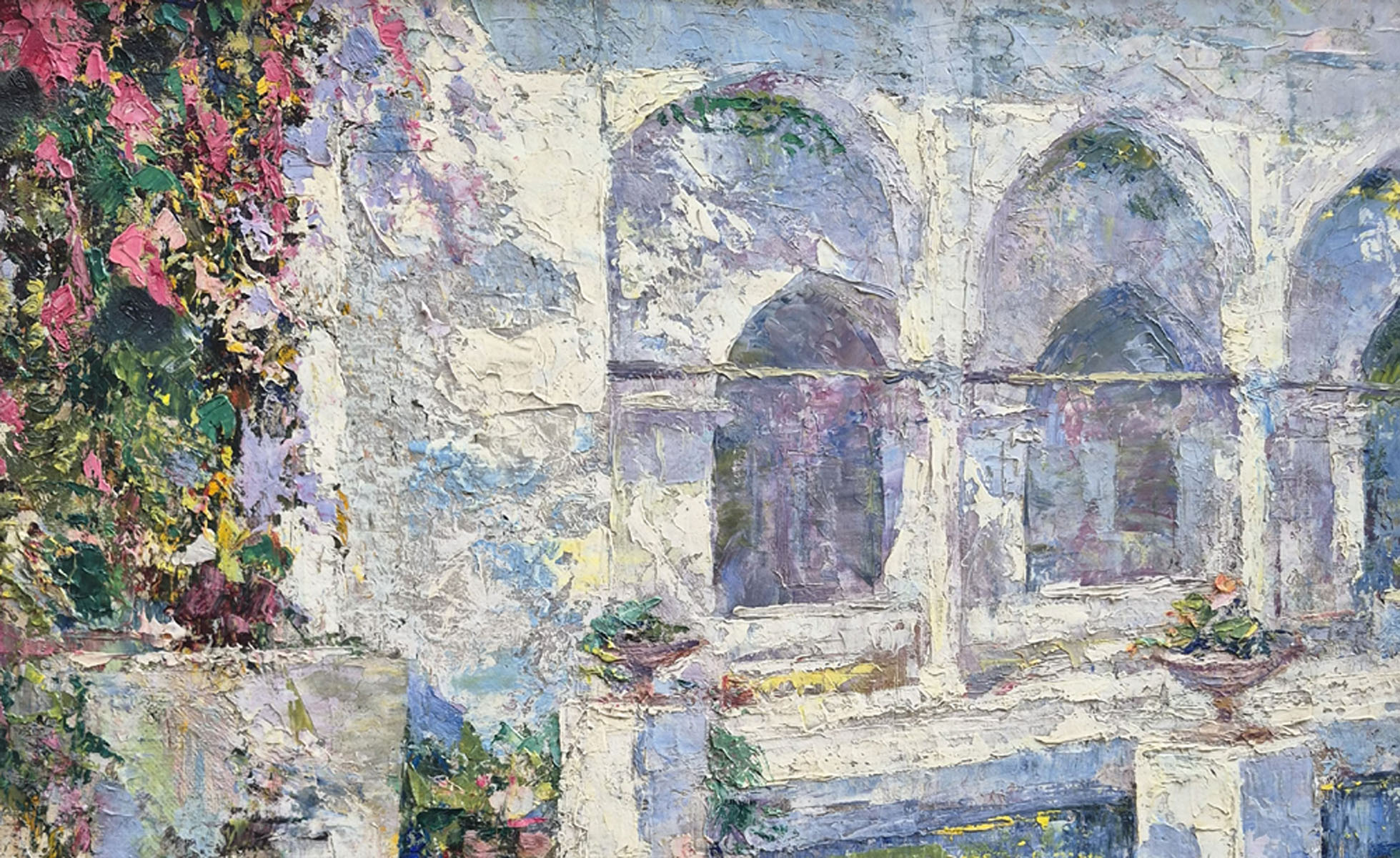
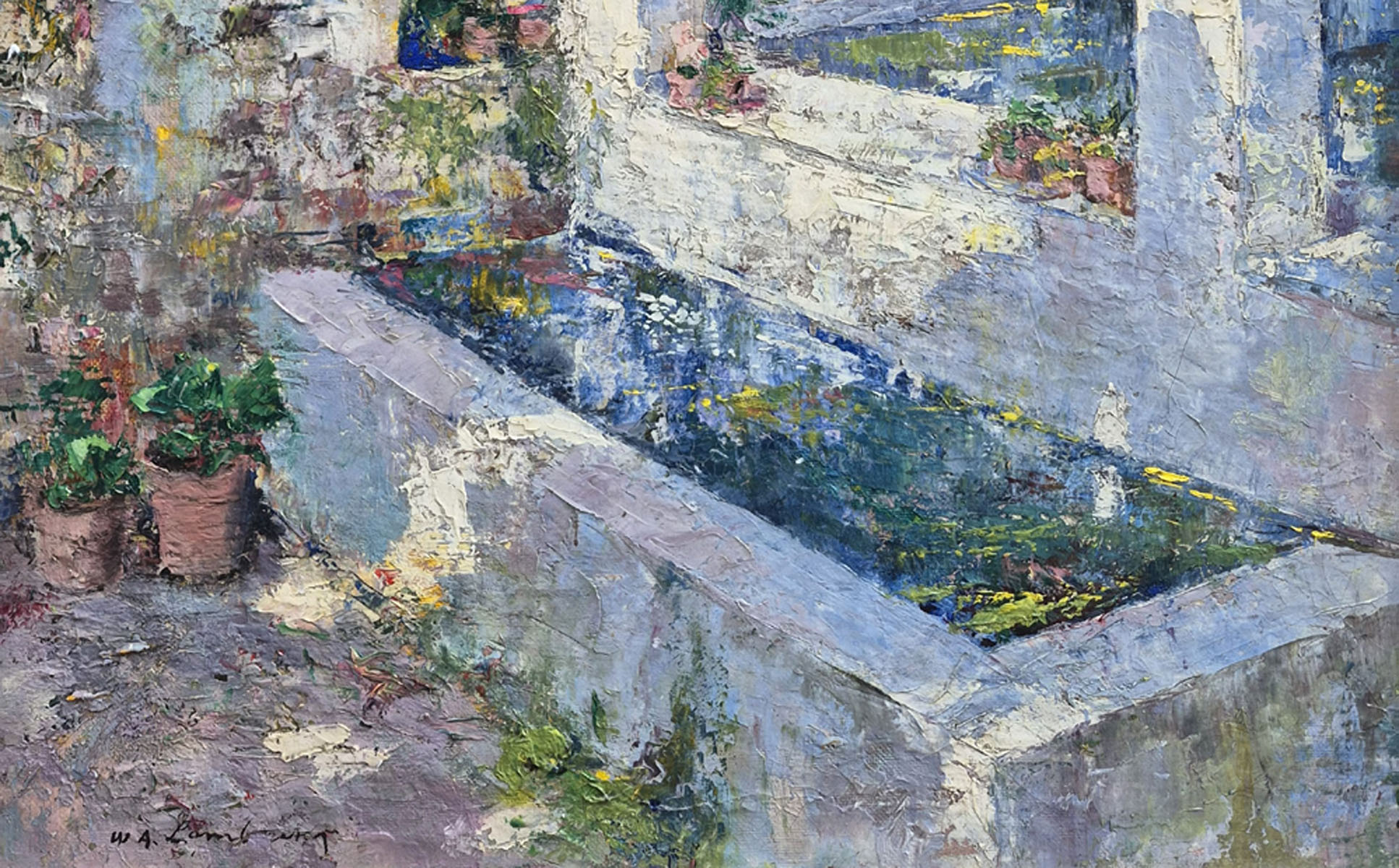
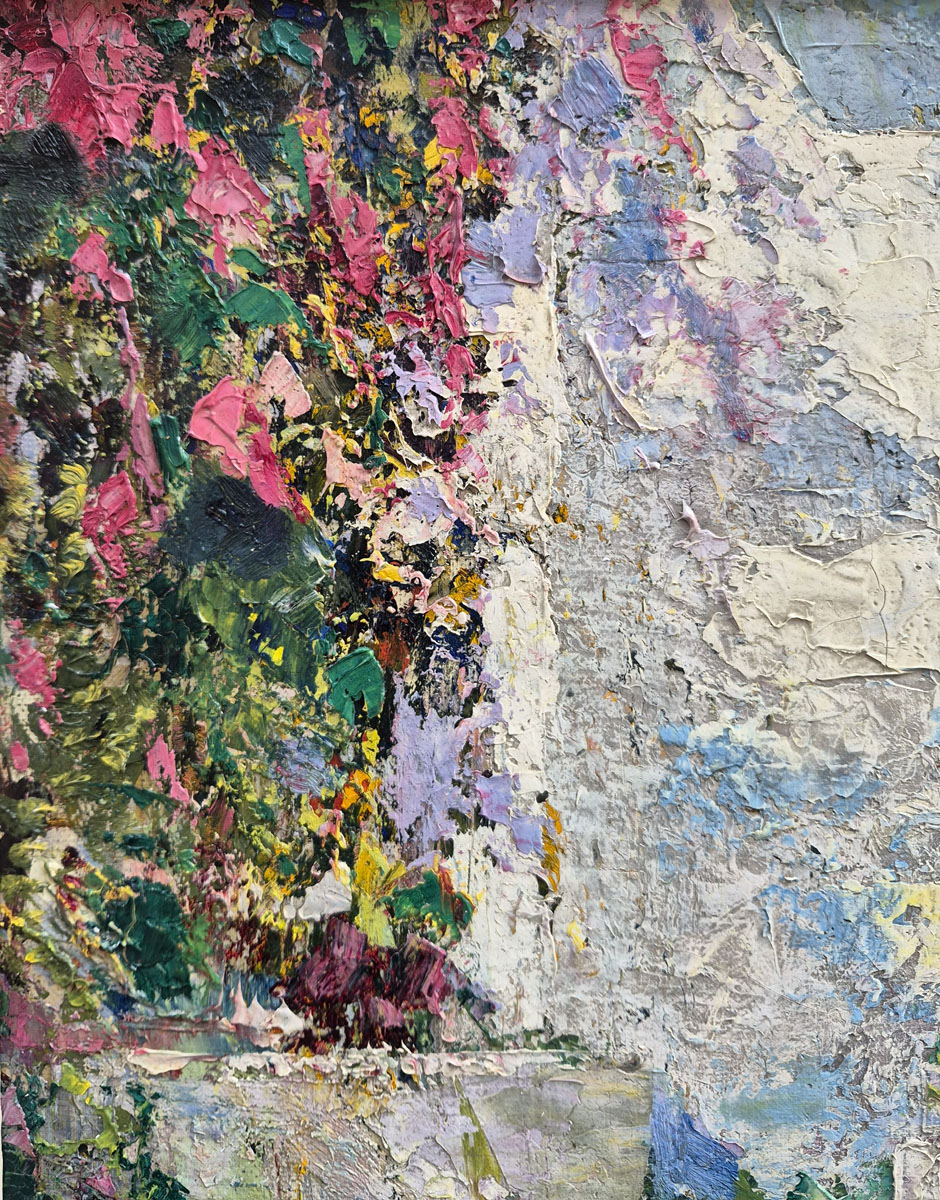
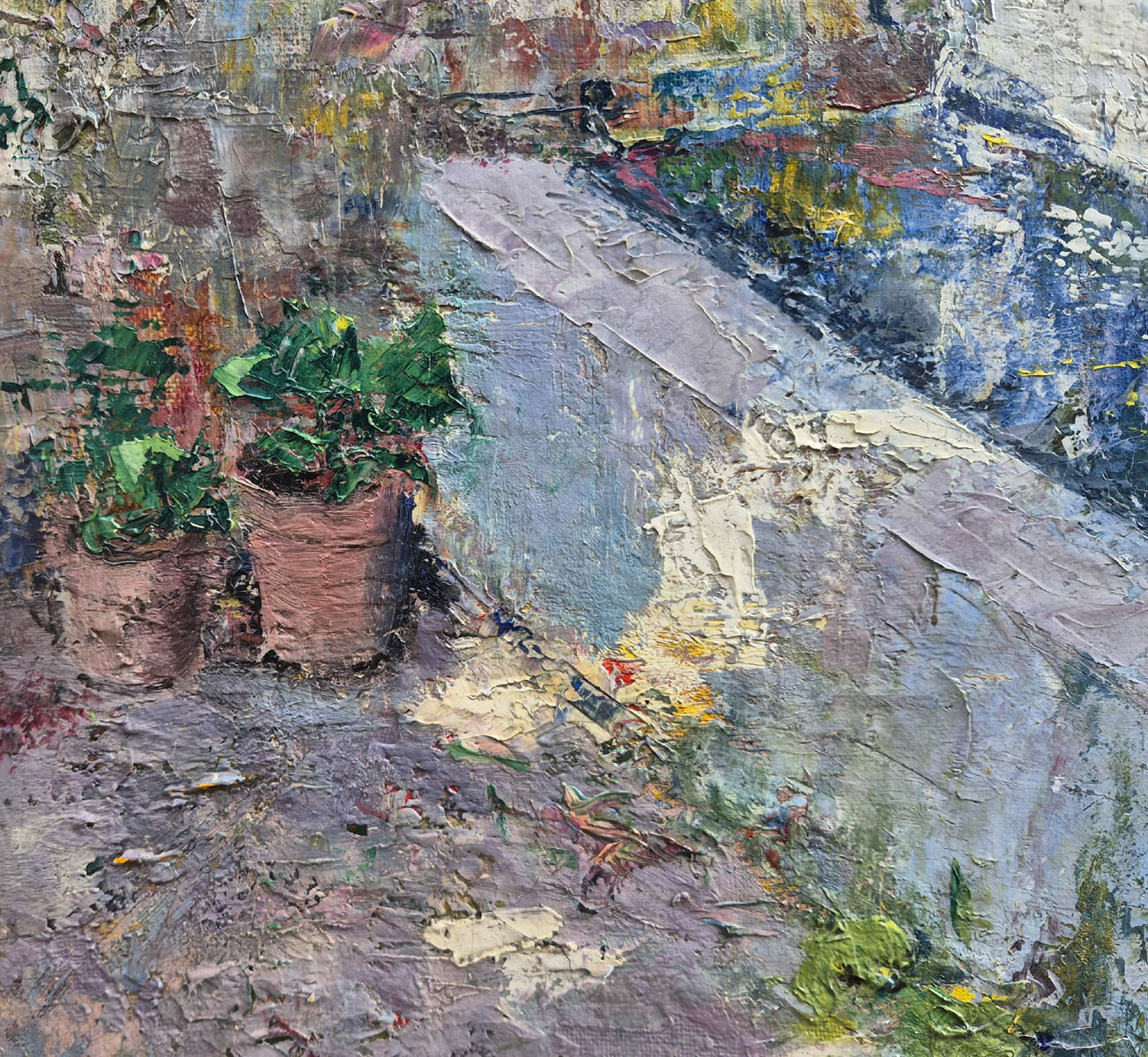
Oil on panel, *Gardens in Algiers* by William LAMBRECHT
Prix sur demande / prices on request
William Adolphe LAMBRECHT 1876–1938
A native of Paris, he studied at the École des Beaux-Arts under the guidance of Jean-Léon Gérôme, a leading figure in classical Orientalist painting.
Although Gérôme’s instruction gave him great technical skills, the young artist wanted to break free—both in his brushwork and his use of color—and adopt an approach that was more focused on the material itself, one that was more “explosive” than his teacher’s.
As early as the 1900s, he set out on a series of trips to Morocco, Tunisia, and, above all, Algeria, which would become his greatest source of inspiration.
The outbreak of World War I did not slow his career. Some of his paintings, inspired by the fighting, were even exhibited in New York in 1915.
In 1920, the Devambez Gallery dedicated a major exhibition to him, and in 1921, he was awarded first prize at the Colonial Salon of French Artists in Morocco. From then on, he continued to exhibit at the most prestigious salons and galleries of his time.
Further information
| Dimensions | 68 × 76 cm |
|---|
On the hills above Algiers, in the Hydra neighborhood, stand two remarkable historic mansions.
The Château d’Hydra, also known as the Bordj d’Hydra, was built in the second half of the 18th century by Ali Agha, a Turkish general who commanded the cavalry of the Dey of Algiers. Built in the Hispano-Moorish architectural style, this imposing residence stands in the heart of a vast, tree-lined park.
Not far from there, Shekiken Castle—a sumptuous Moorish palace dating from 1742—is a fine example of Ottoman architecture and is surrounded by a magnificent garden featuring centuries-old vegetation.
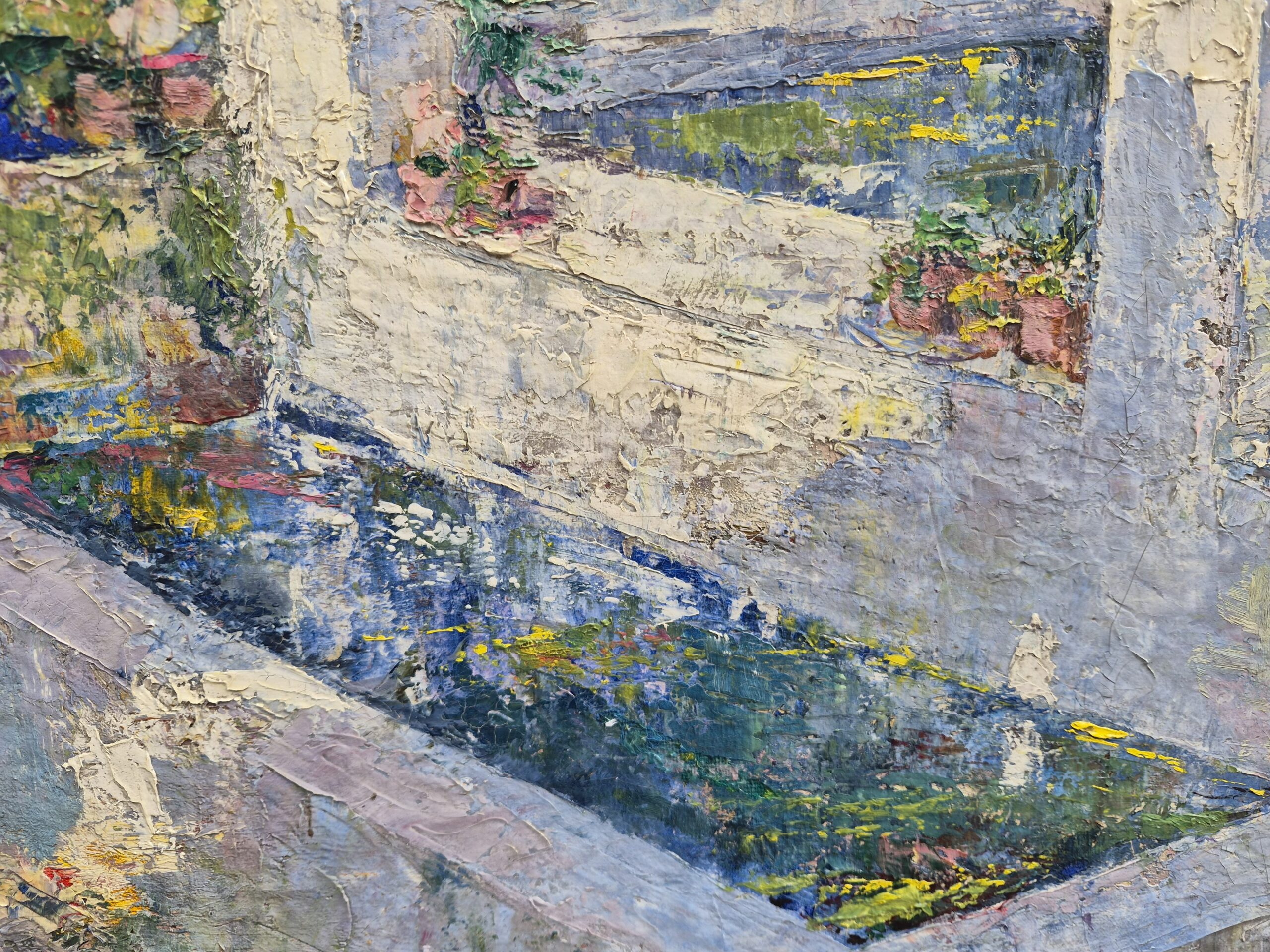
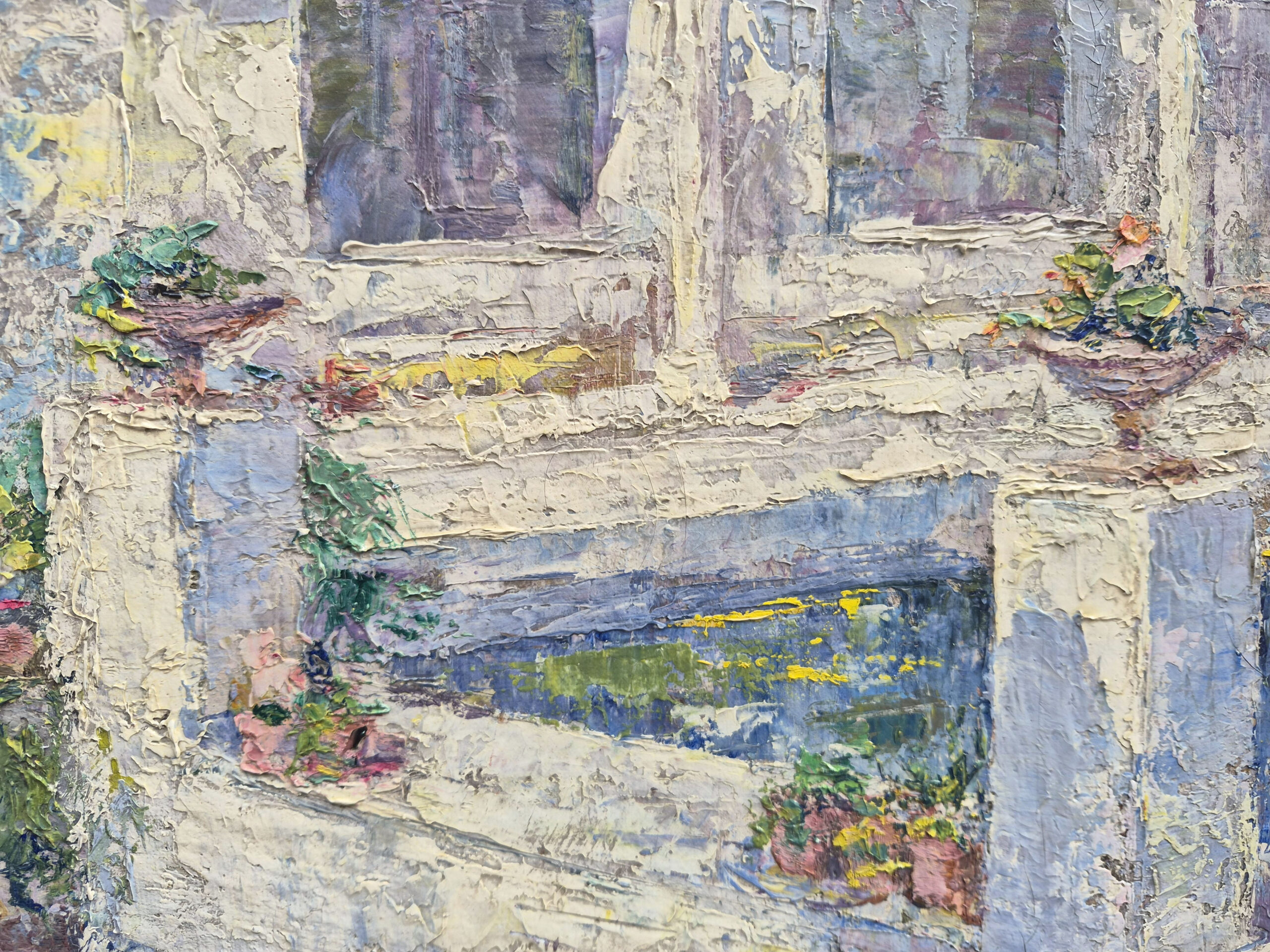
Our painting depicts one of these two gardens in Algiers, a recurring motif in the work of William Adolphe Lambrecht.
With a very tight, almost photographic framing, the artist draws the viewer’s attention to the washhouses and the lush reflections of nature in the water flowing from them.
Framed by blossoming trees and the palace’s arcades—which give rhythm to the composition through both their form and the interplay of light and shadow—the work offers the viewer the intimacy of an oriental garden.
The precision of the composition is counterbalanced by the spontaneity of the brushwork, the richness of the material, and subtle, enchanting plays of light.