
An oil on canvas painting, “A Morning in the Old Port, Marseille,” by Augustin CARRERA
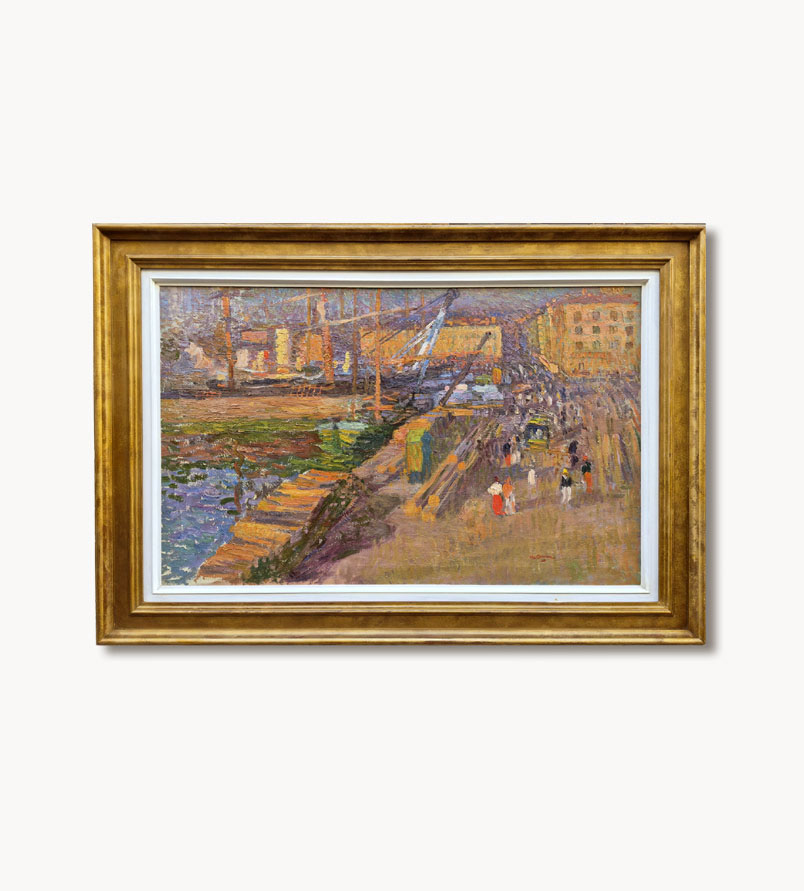
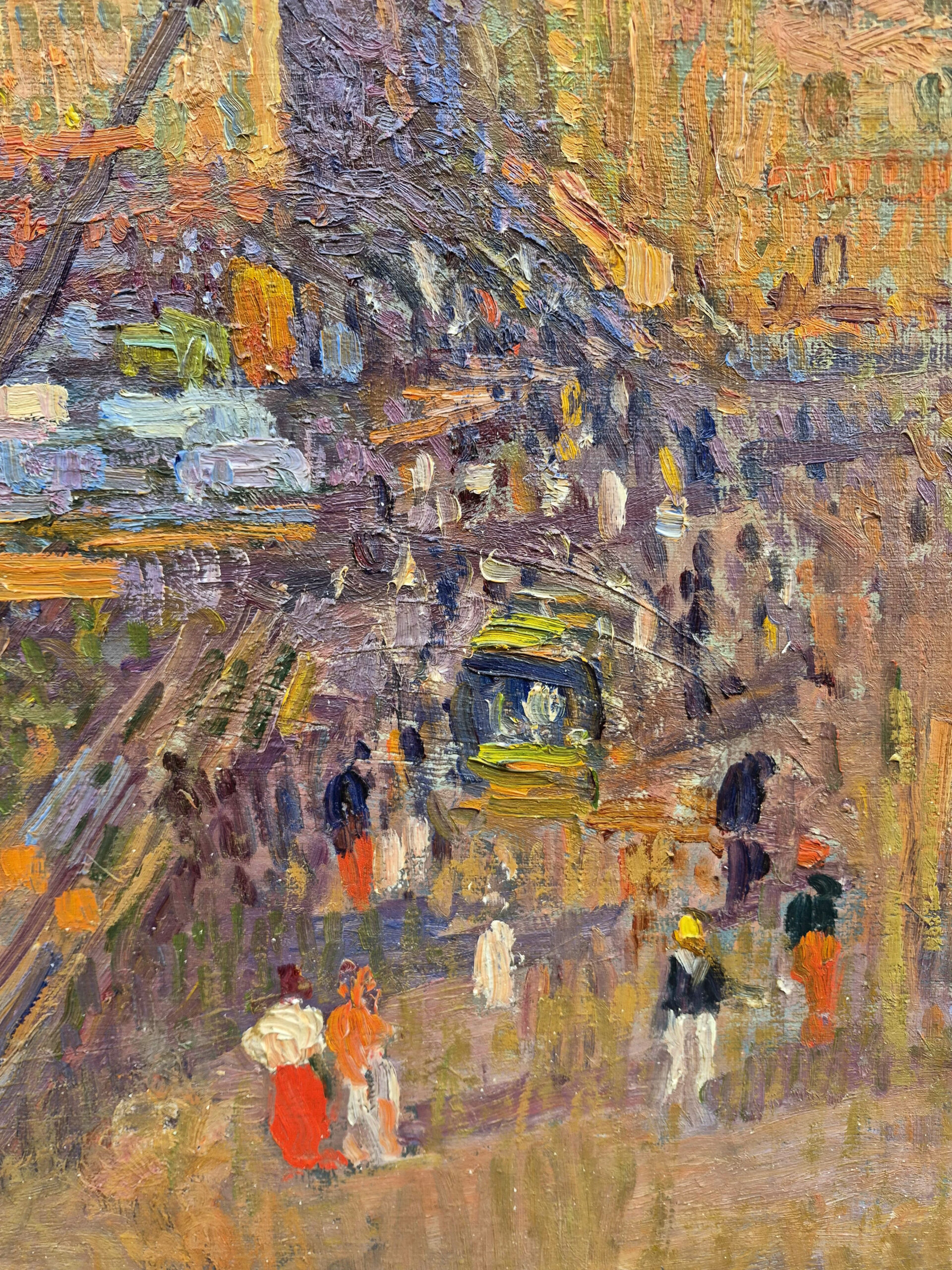
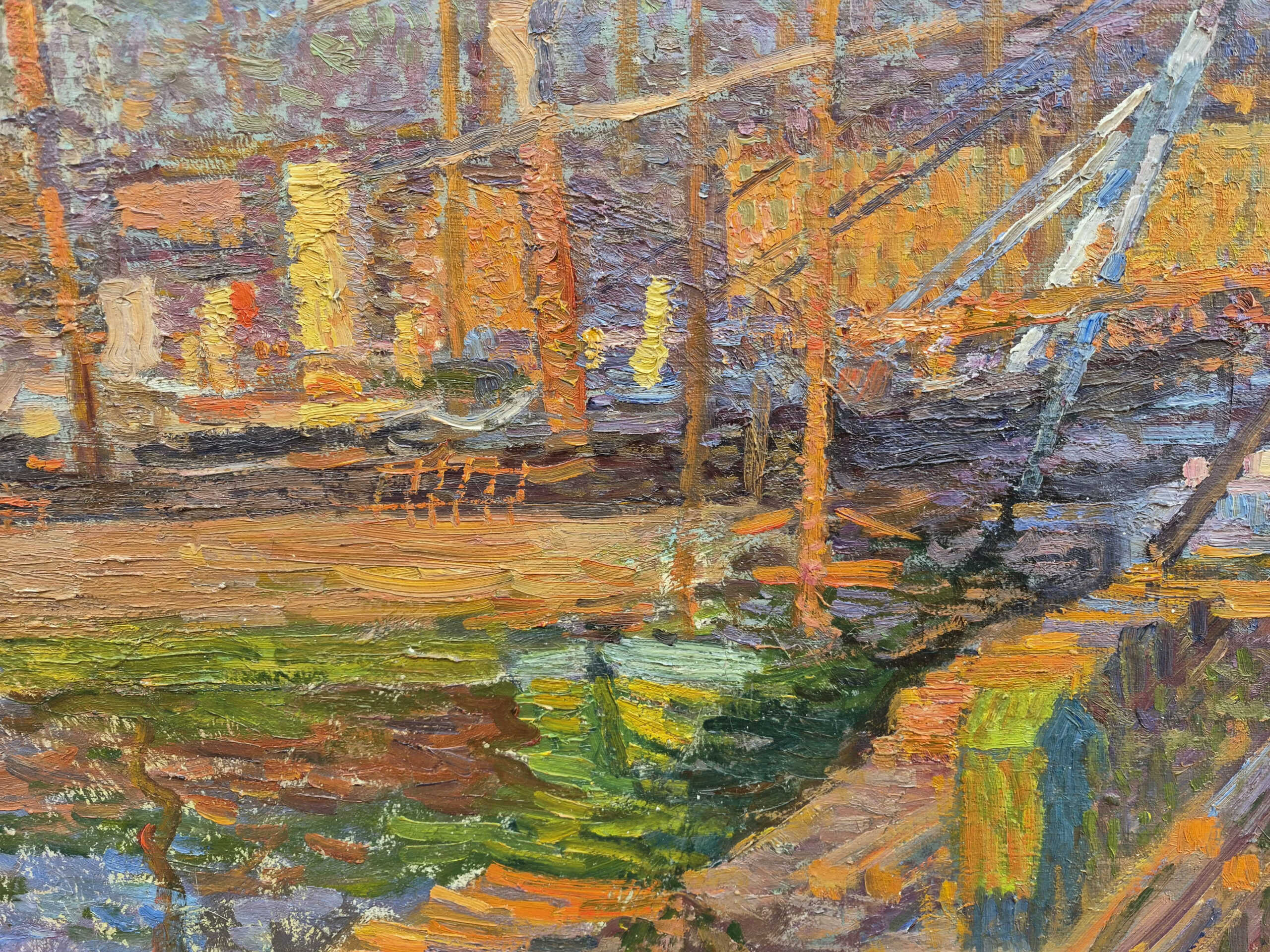
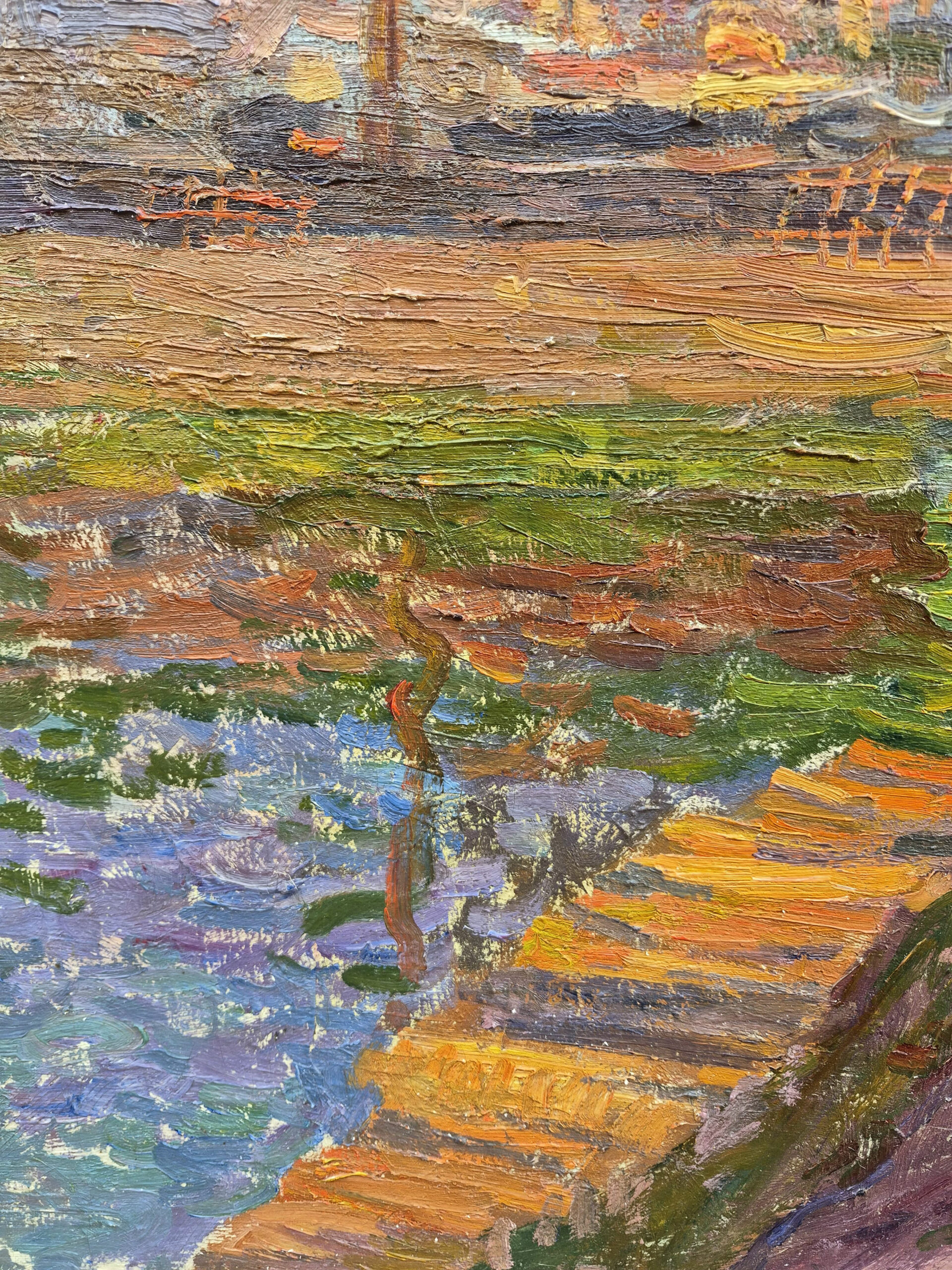
An oil on canvas painting, “A Morning in the Old Port, Marseille,” by Augustin CARRERA
2.600,00 €
Augustin CARRERA 1878–1952
More than just a subject, Marseille holds a special place in Augustin Carrera’s life and work
Born in Madrid, his family moved to Marseille when he was still young.
There, he began his training in fine arts in the studio of the painter Alphonse Moutte, then received a scholarship from the city to continue his studies in Paris.
The Old Port—with its quays, boats, squares, and bustling streets—became for him a wonderful artistic laboratory.
The catalog for his 1910 exhibition is revealing in this regard: works such as *Boats in the Old Port*, *A Corner of the Old Port*, *Place Victor-Gelu*, and *La Marseillaise* appear alongside landscapes, outdoor scenes, and figures.
This special relationship with the city of Marseille culminated in a particularly prestigious commission: Carrera contributed to the decor of the Marseille Opera House, notably creating major works of art for the lobby in the 1920s.
The Marseille History Museum also houses his 1922 painting *The Marseille Opera House *, while the Cantini Museum holds several of his works, including *Boules Players * and *Watermelons and Jugs*.
Further information
| Dimensions | 26 × 37 cm |
|---|
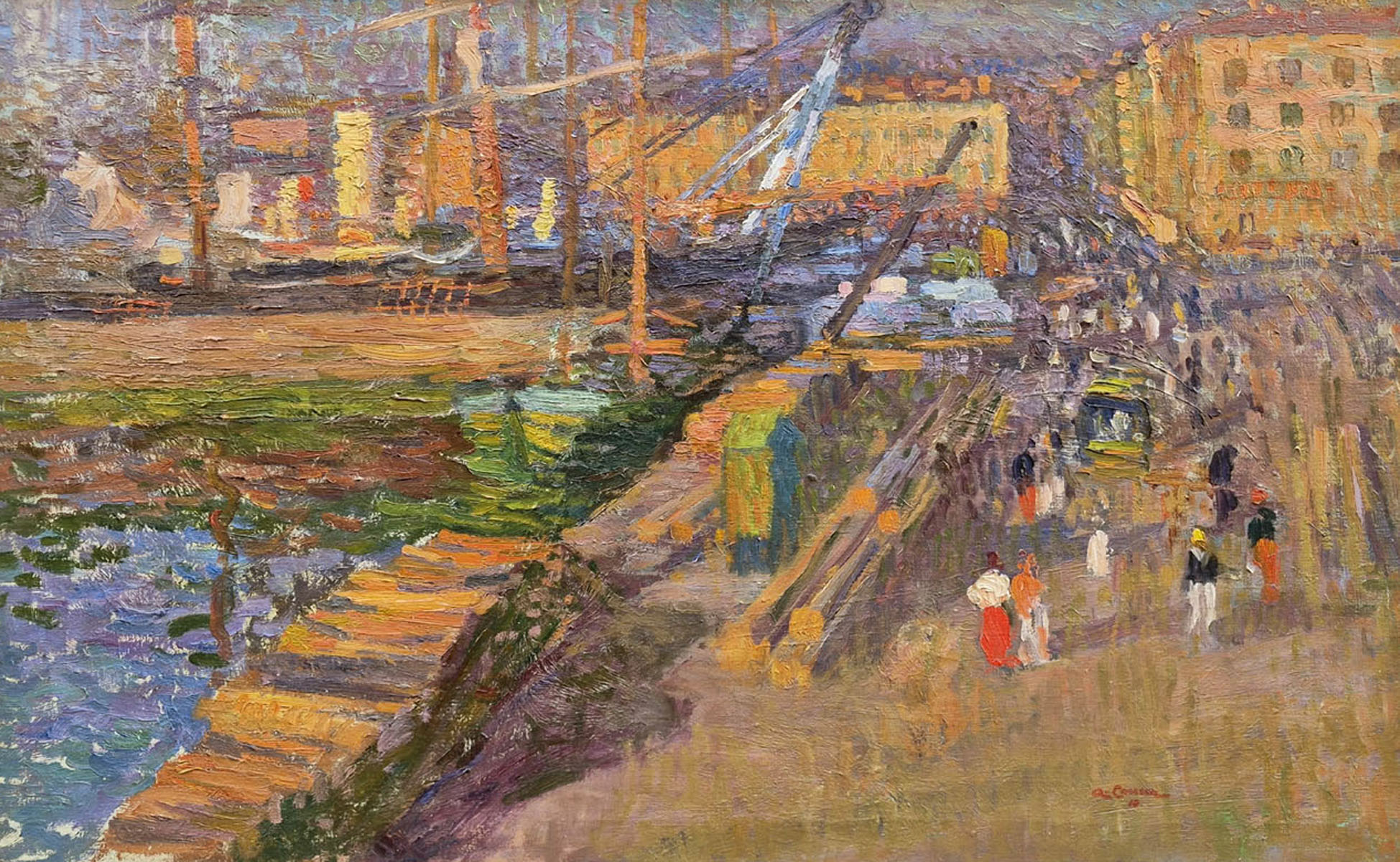
This striking view of Marseille's Old Port perfectly illustrates Augustin Carrera's artistic freedom.
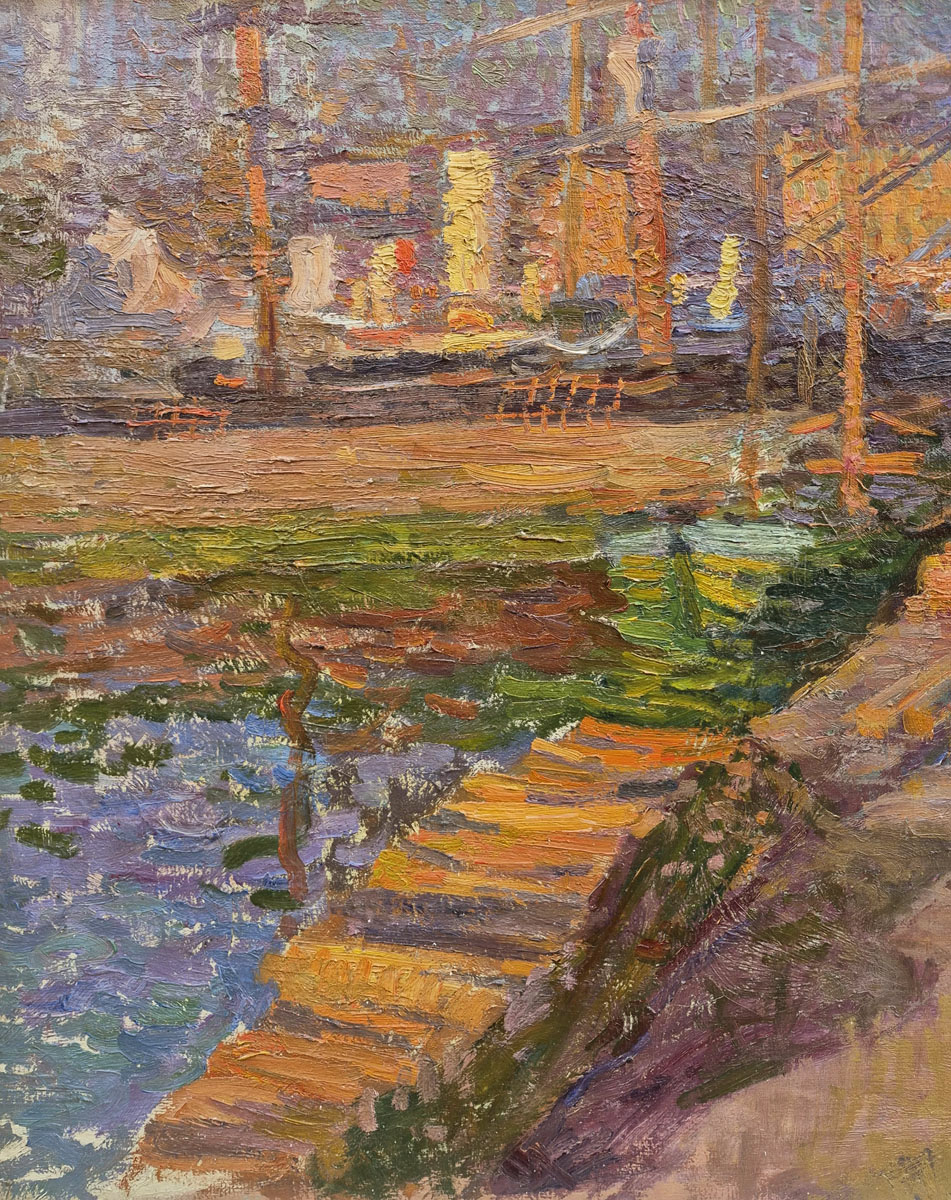
At the intersection of Post-Impressionism and the bold use of color characteristic of Fauvism, the artist transforms the everyday scene of the harbor into a true symphony of colors.
What first strikes the viewer about the composition is its bird's-eye view, which is particularly modern.
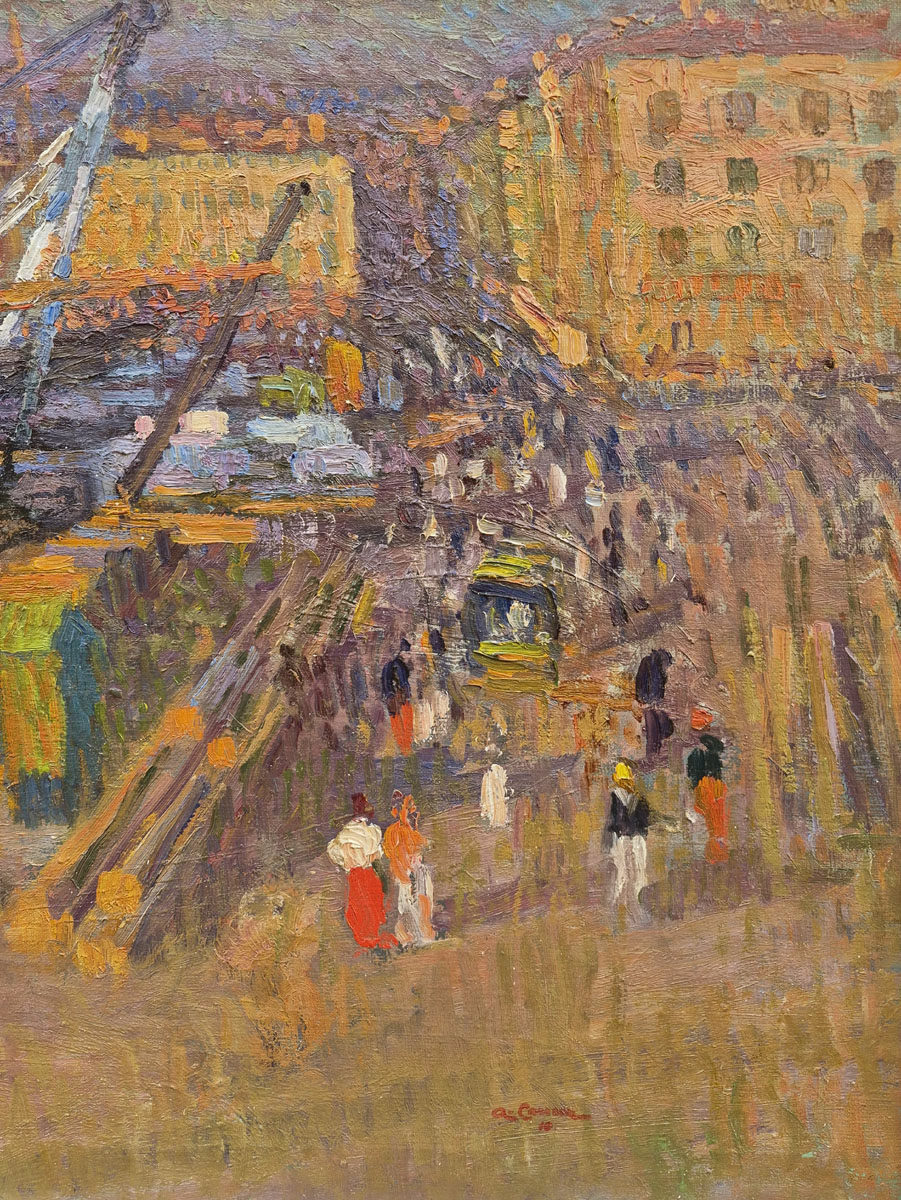
Carrera dominates the scene and draws the eye from the harbor waters on the left to the bustling docks that stretch far into the distance.
This powerful diagonal line sets the rhythm of the composition and allows the painter to incorporate numerous small scenes: passersby, workers, boats, and silhouettes dot the pier and lend the painting a remarkable sense of life.
He does not seek to provide a static, topographical description of the Old Port. Rather, he captures its rhythm, its vibrancy, and its light.