Oil on canvas, Paris, Les Invalides by Ten Cate, 1904
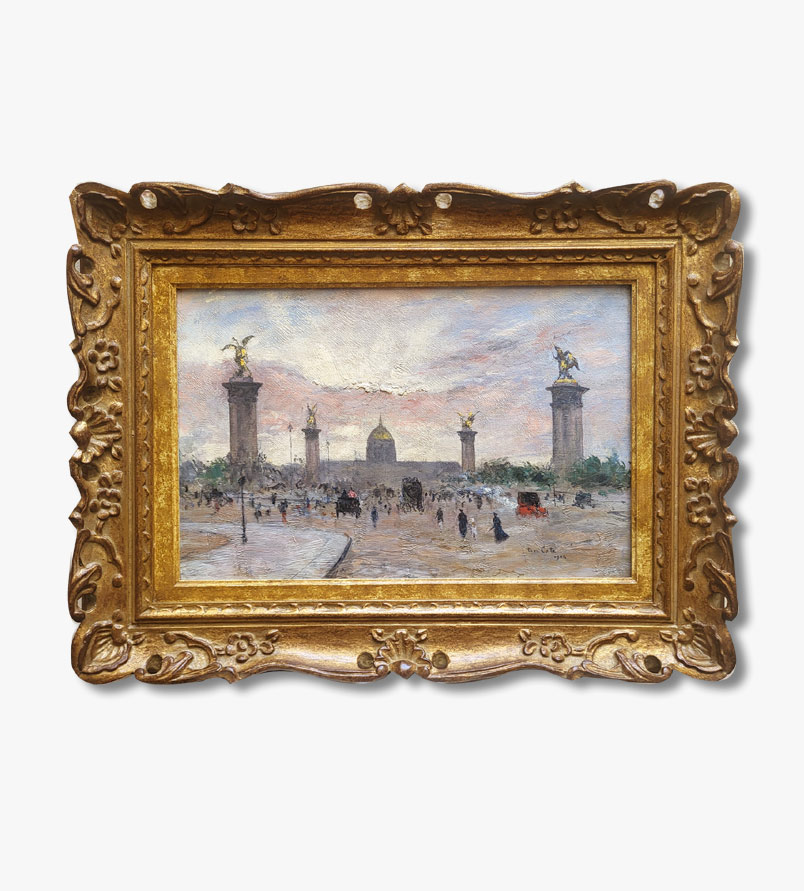
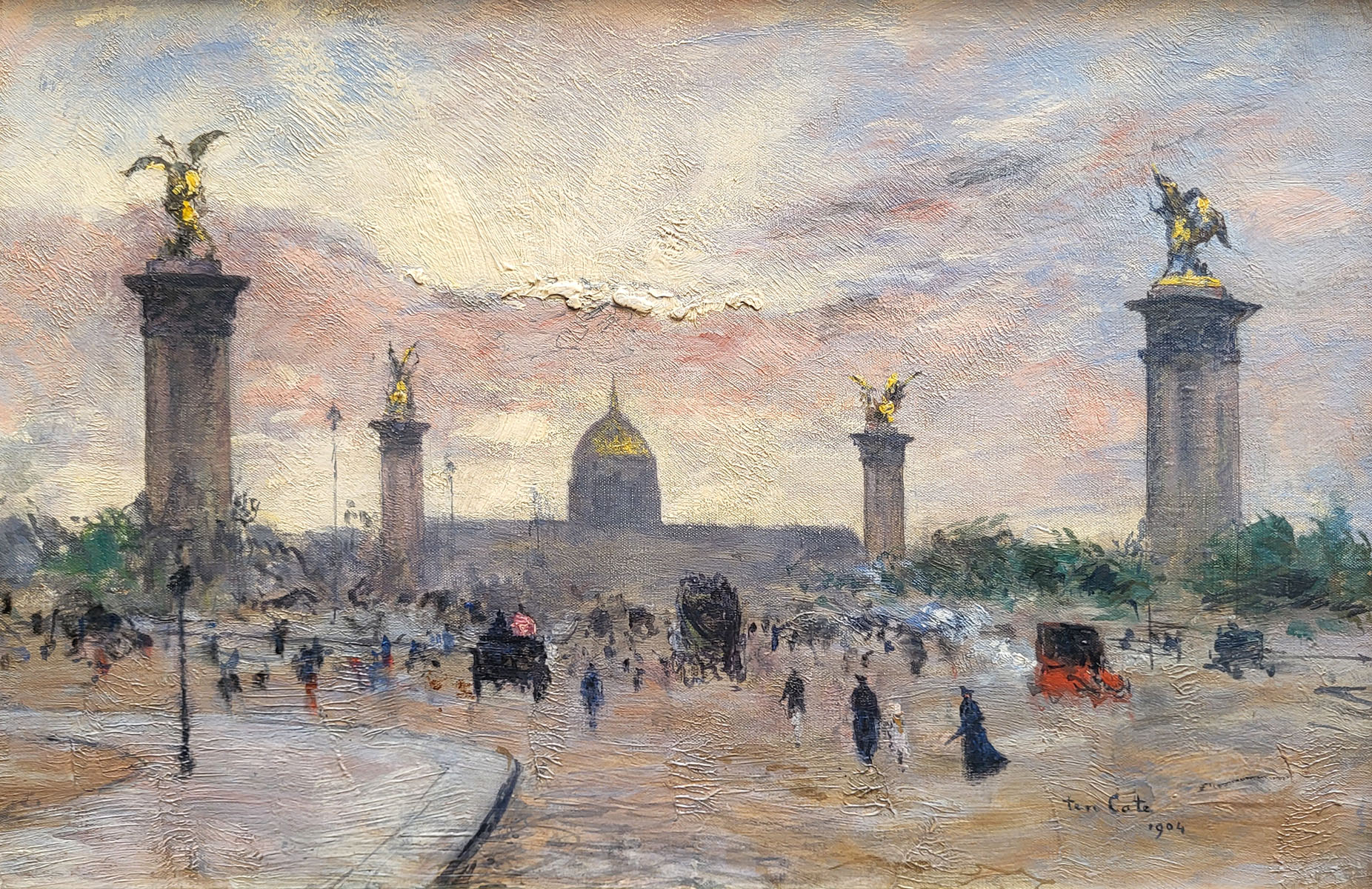
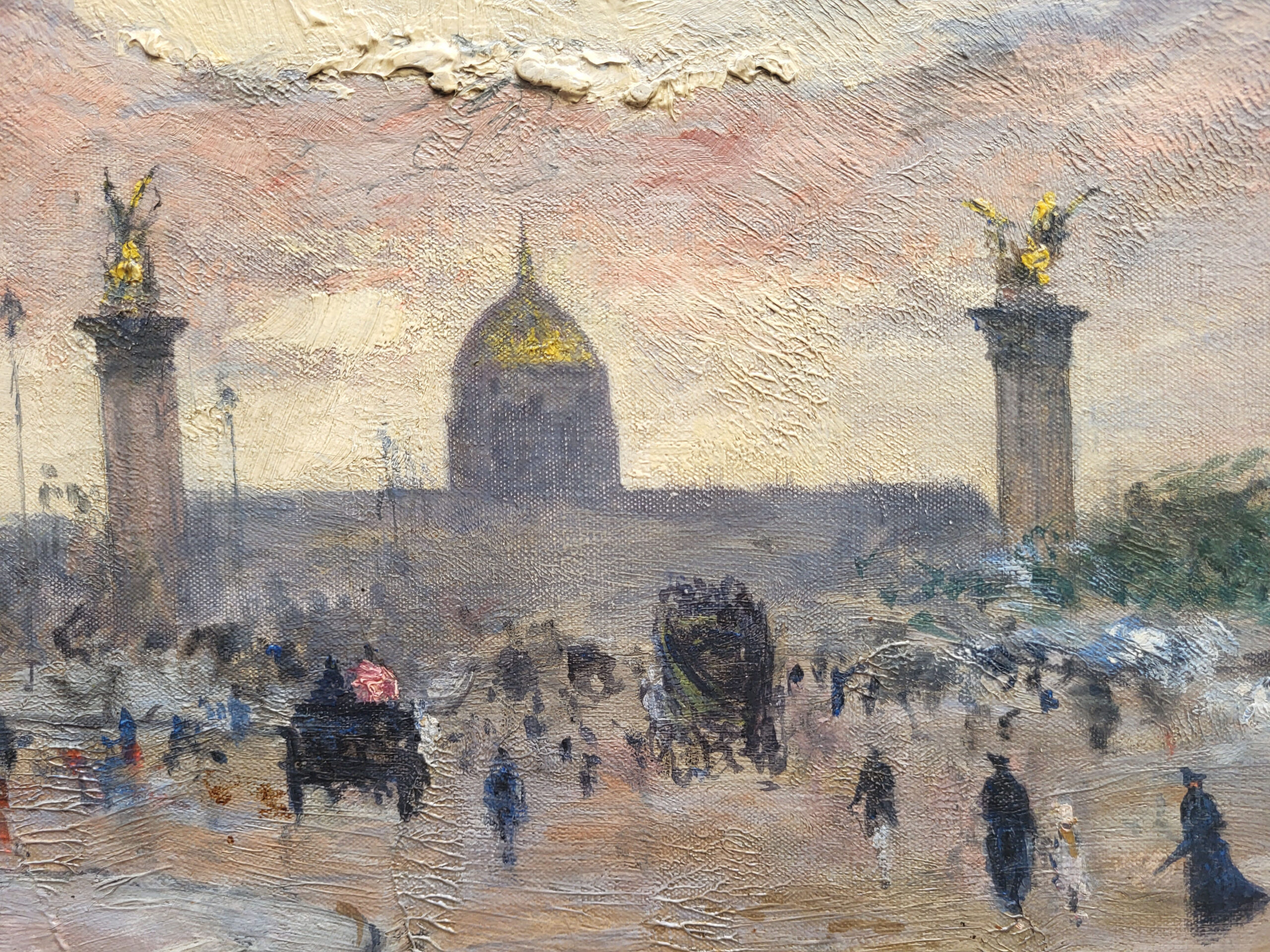
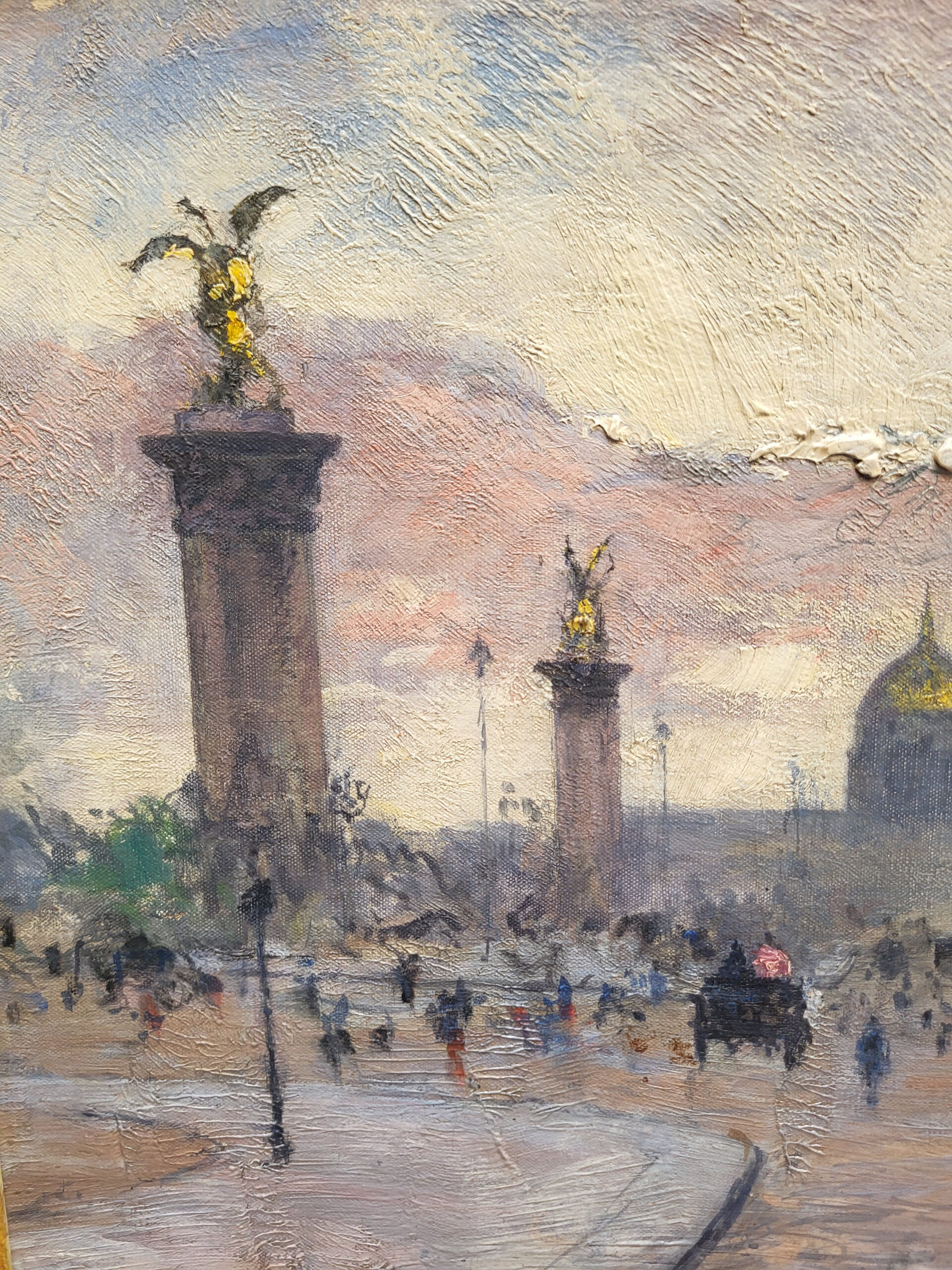
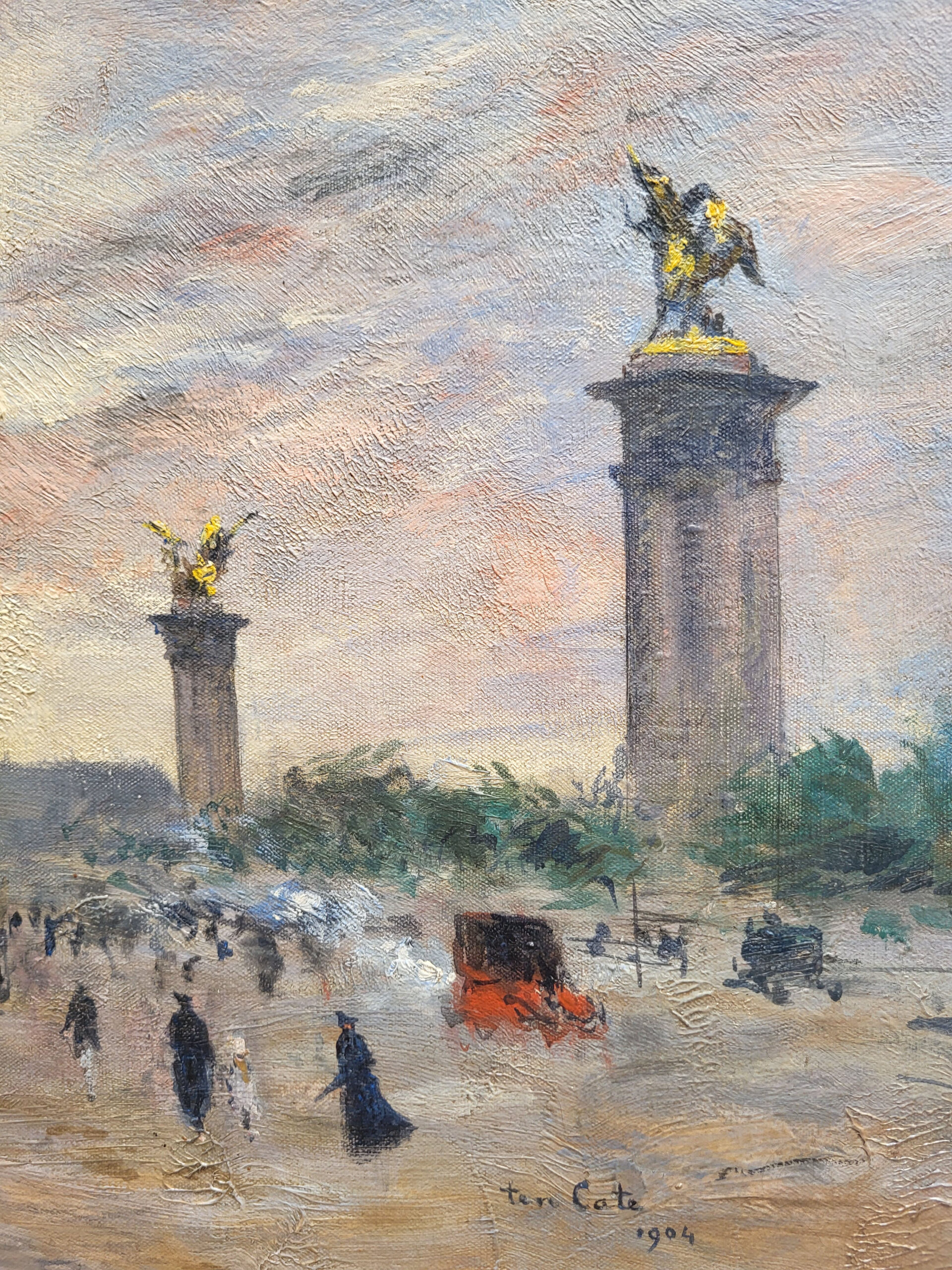
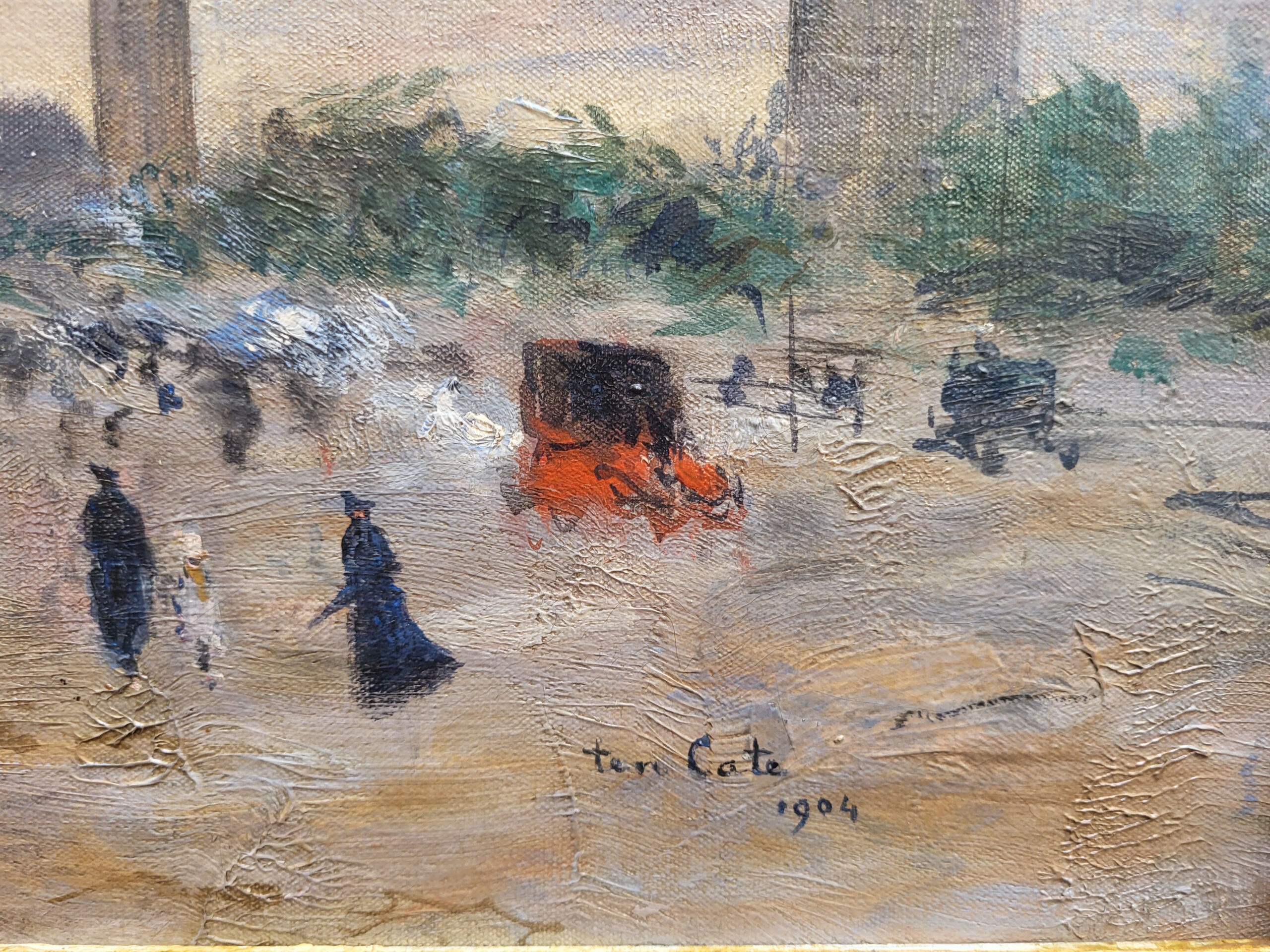
Oil on canvas, Paris, Les Invalides by Ten Cate, 1904
9.800,00 €
Siebe Johannes TEN CATE 1858-1909
Dutch painter
After studying at the Antwerp Academy, Ten Cate made his career in Paris.
He moved there at the age of 22, where he met and befriended Van Gogh in the 1880s. He also shared a studio in Montmartre with Van Dongen.
He was one of the artists for Durand-Ruel, the Impressionist painters' dealer.
He exhibited several times in Munich, in Paris with the Artistes français, at the 1900 National and World Fairs, in Venice and Vienna.
The French press is full of praise.
He was called, for example, "the new Jongkind". After his death, an English newspaper headlined
Sad End of a Genius'.
The greatest museums in France and around the world own canvases and pastels by the man also known as the Prince of Parisian Mists.
Further information
| Dimensions | 74 × 53 cm |
|---|
This work, signed by Ten Cate and dated 1904, depicts a scene from the Place des Invalides in Paris, captured in bright backlighting. The composition is dominated by imposing columns topped with golden statues, which stand out in silhouette against a pastel sky bathed in soft, warm light. The dome of Les Invalides appears in the background, partially concealed by the light mist that envelops the scene, creating a subtle contrast between the shadows of the structures and the light that floods the sky and the square.
The pictorial touch is particularly expressive and impressionistic, with rapid, visible brushstrokes that inject great energy into the work. The rich, impasto texture of the paint adds tactile depth, accentuating the contrast between the architectural elements and the blurred silhouettes of passersby. The human figures, although sketchy, are drawn in such a way as to suggest a fluid, almost ethereal movement, in a light dance between light and shadow.
Ten Cate
"is a researcher who notes his impressions with scrupulous fidelity
and who happily captures reality, highlighting the significant aspects of large centers in the bustle of crowds or the solitude of abandoned corners.
He excels at rendering the local feel and changing tones depending on the time of day or night, both in his city views and in his landscapes."