
Oil on canvas, "Fountain in Provence" by Léon DETROY
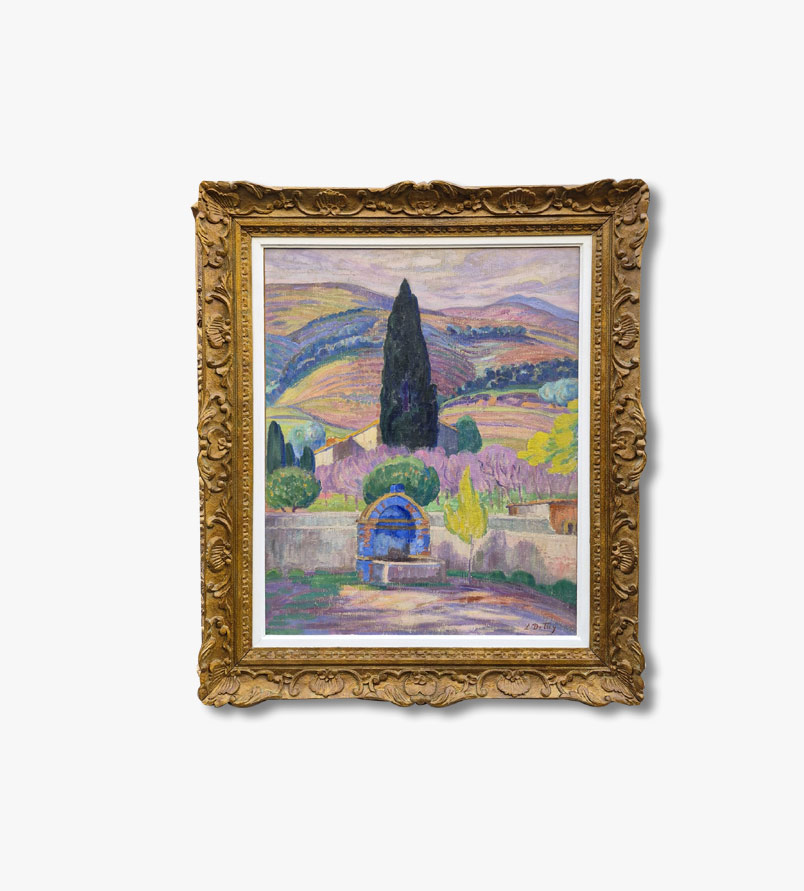
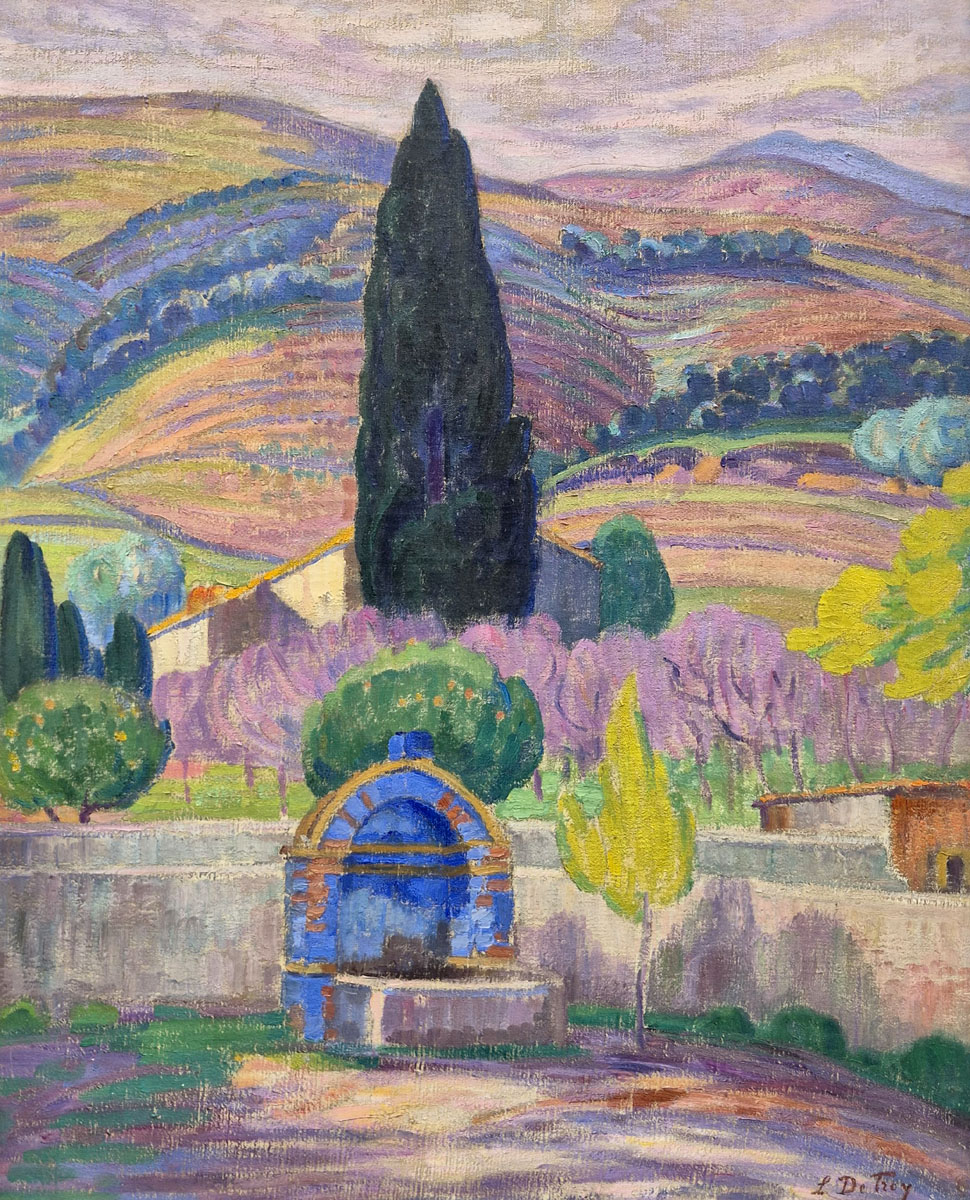
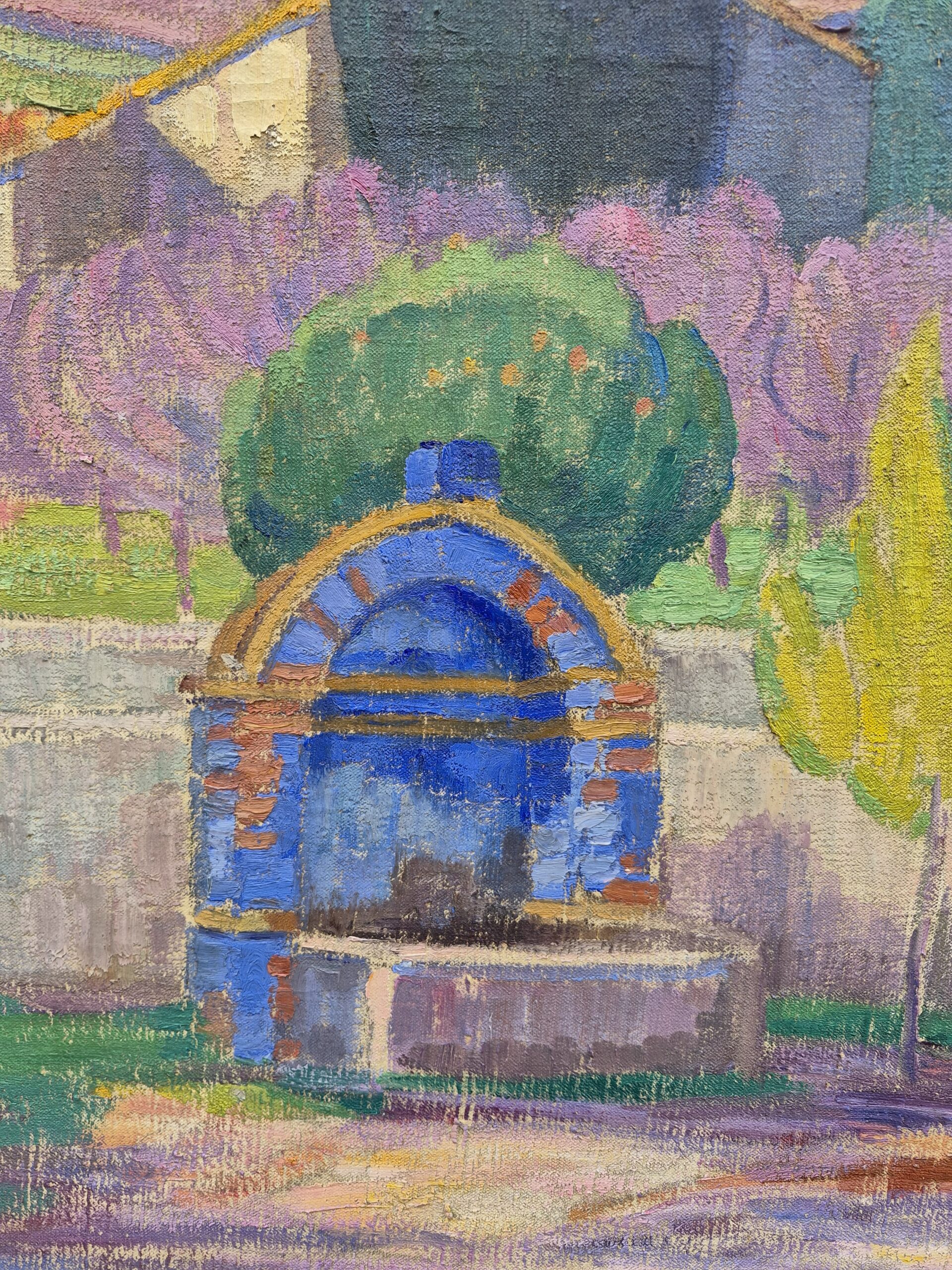
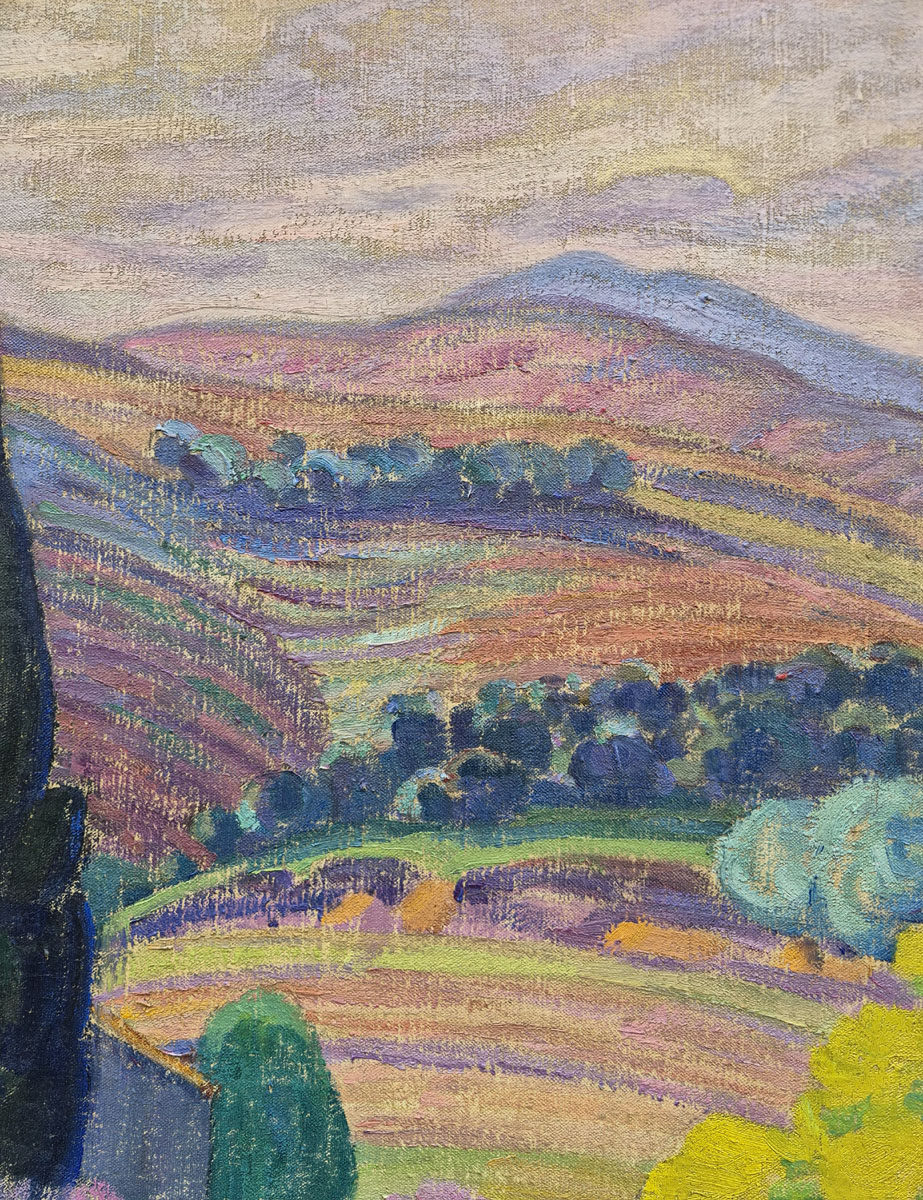
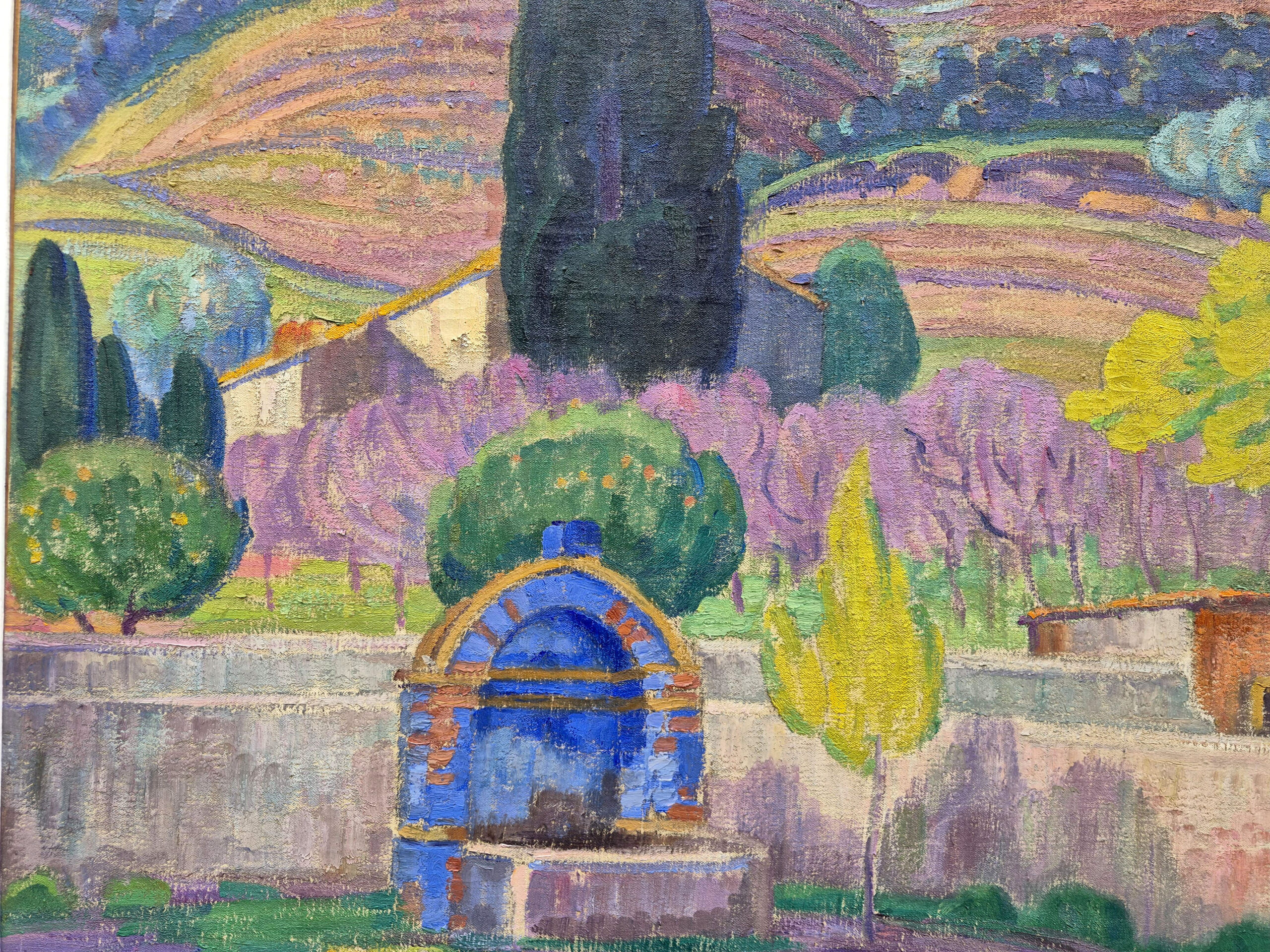
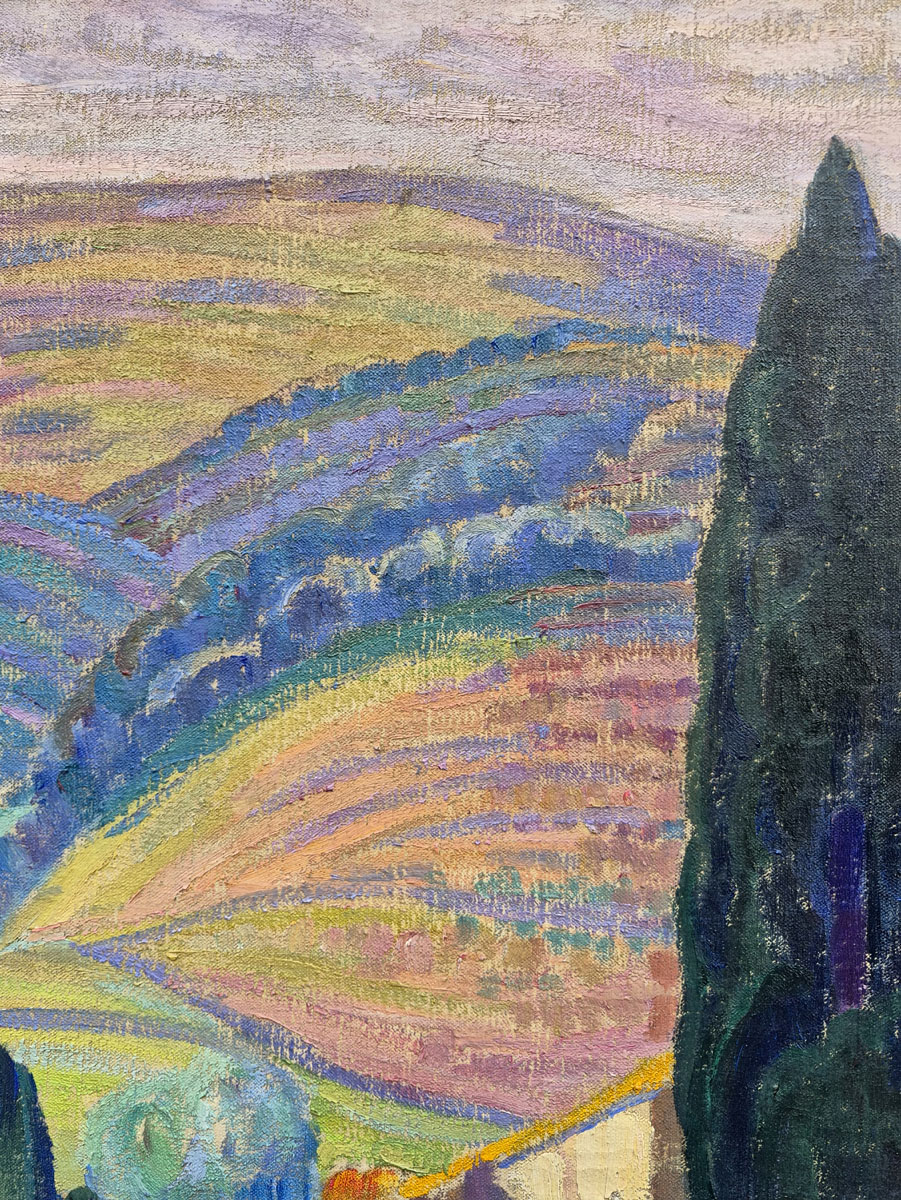
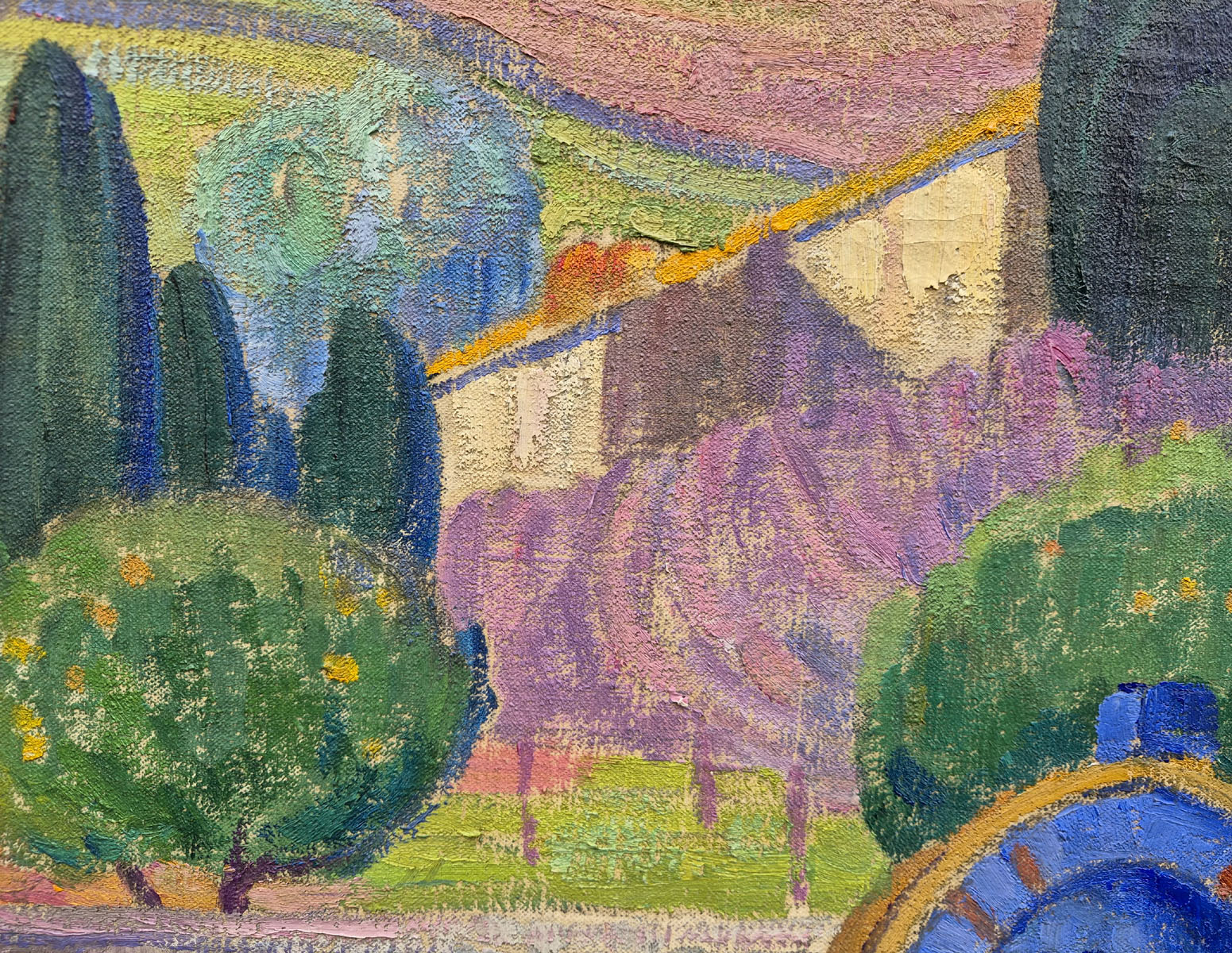
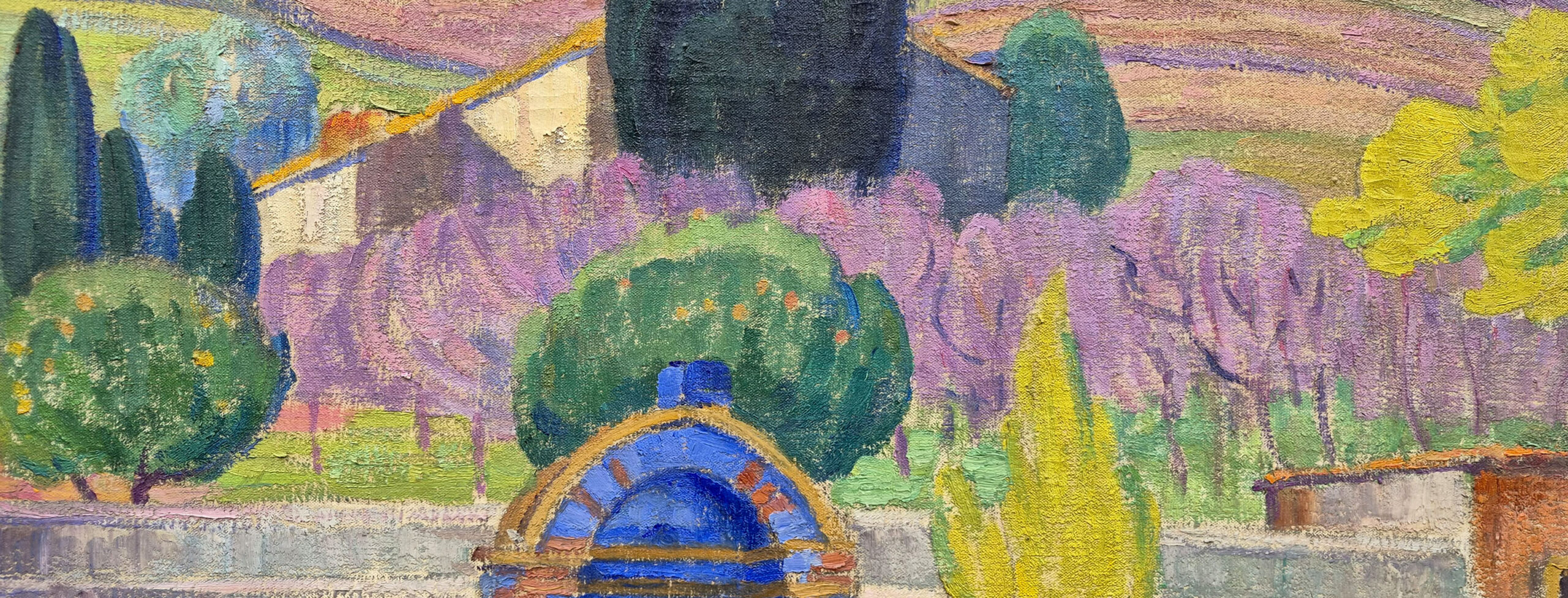
Oil on canvas, "Fountain in Provence" by Léon DETROY
Prix sur demande / prices on request
Léon DETROY
Our painting was probably painted in the 1920s, in the countryside around Collioure.
Born in Chinon in 1859 into a well-to-do family—his father was a doctor—
Léon Detroy was introduced to painting by his maternal uncle.
After earning a law degree, he enrolled at the École des Beaux-Arts in Paris in 1880, under the guidance of Jean-Paul Laurens.
Five years later, Detroy set out for Gargilesse, in the heart of the Creuse Valley, following in the footsteps of George Sand.
It was love at first sight, leading him to buy a house there and become one of the leading figures of the Crozant School: a group of artists who shared his passion for plein air painting and bold colors.
Further information
| Dimensions | 88 × 100 cm |
|---|
But Detroy loved to travel.
As early as the 1890s, he set out to explore the south of France, then Italy, Sicily, and North Africa.
While Detroy’s work remains closely tied to the Creuse region,
the South—and in particular the Bay of Agay—marked a pivotal stage in his shift toward modernity.
The years 1885–1890 marked a turning point for Detroy: “In an international environment undergoing profound upheaval, he questioned the path he should take.”
He draws inspiration from photography for his compositions, and in his landscapes, he explores a fragmented style and vivid colors.
Color becomes a revelation and emerges as a defining element of his art. It is primarily through color that Detroy engages with modernity.
Starting in the 1890s, Detroy was fascinated by the South, where the unique light revealed a nature that was even more vibrant and ever-changing.
In the spring of 1892, he stopped in Agay, near Saint-Raphaël, on the Var coast.
The striking red color of the rocks caught the painter’s eye.
He would return there many times. Detroy’s works then became even more intensely colored.
In the 1900s, during Detroy’s first exhibitions, critics noted his Impressionist influences, but also his desire to break away from the movement.
Intense colors, a lively brushstroke, and, above all, the sincere emotion that the artist seeks to convey on his canvas.
During those years, Detroy, who had no studio, worked exclusively on the
motif, and his style—as seen in our painting—began to take shape.
It is through the light of the Midi that she comes closest to Neo-Impressionist concepts, “becoming fragmented without, however, achieving the regularity of a Signac or an Edmond Cross.”
This is what makes the painter unique.
Her brushwork consists at times of long, parallel brushstrokes,
or is brief and energetic, like commas.