Oil on panel, *Sheep*, attributed to Charles Emile Jaque
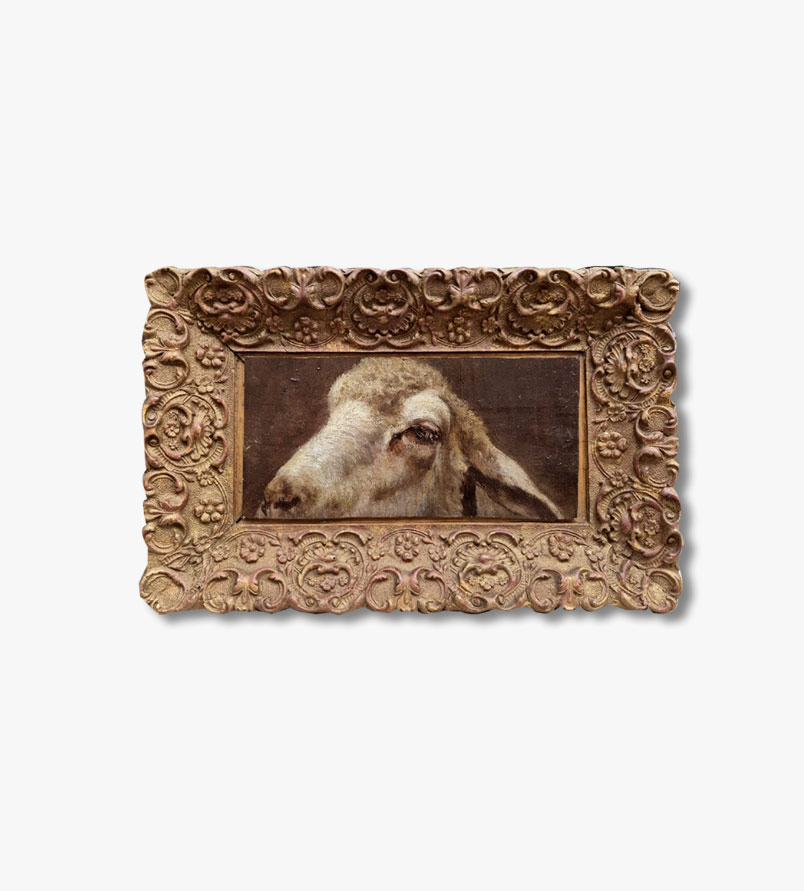
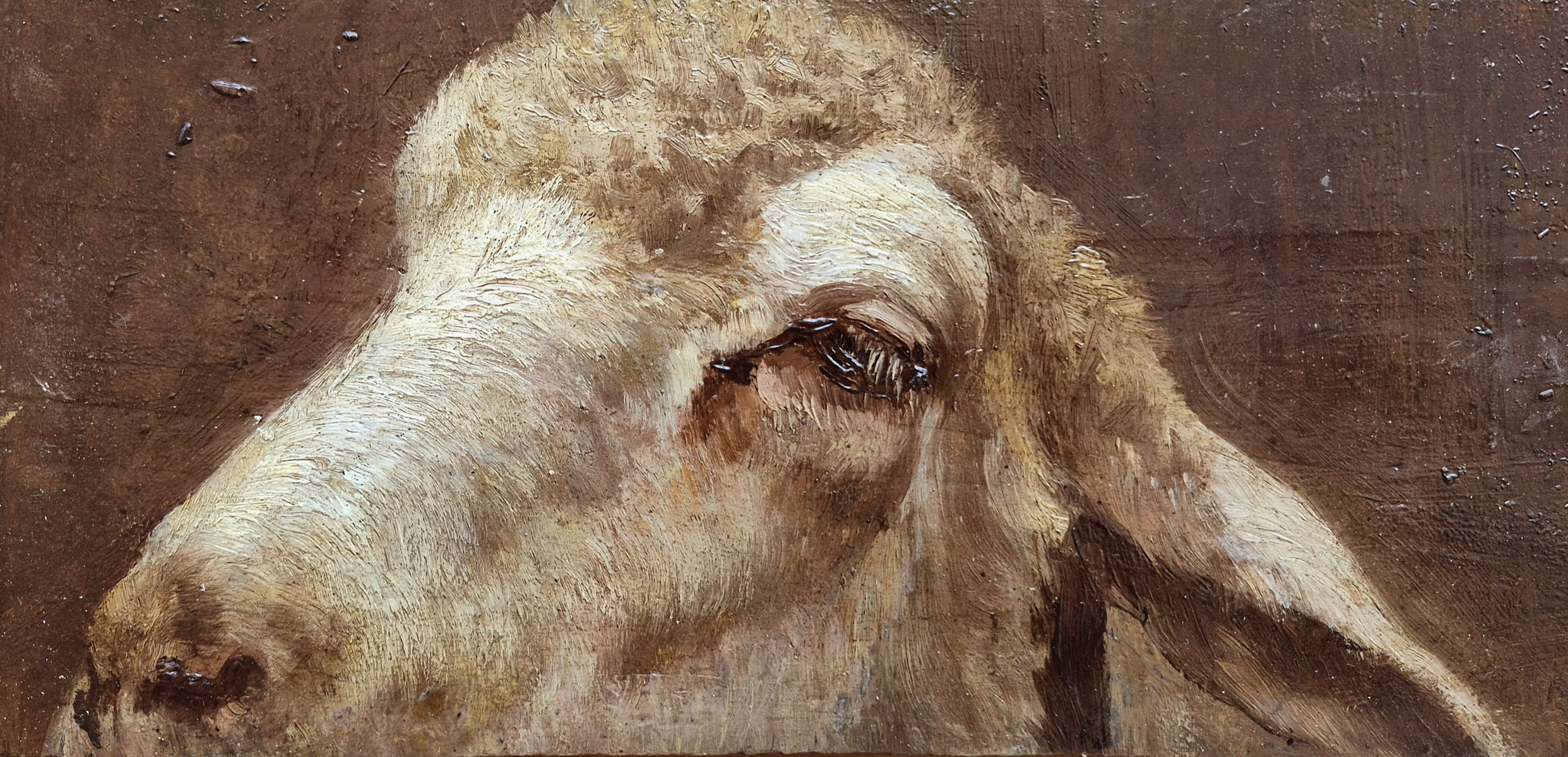
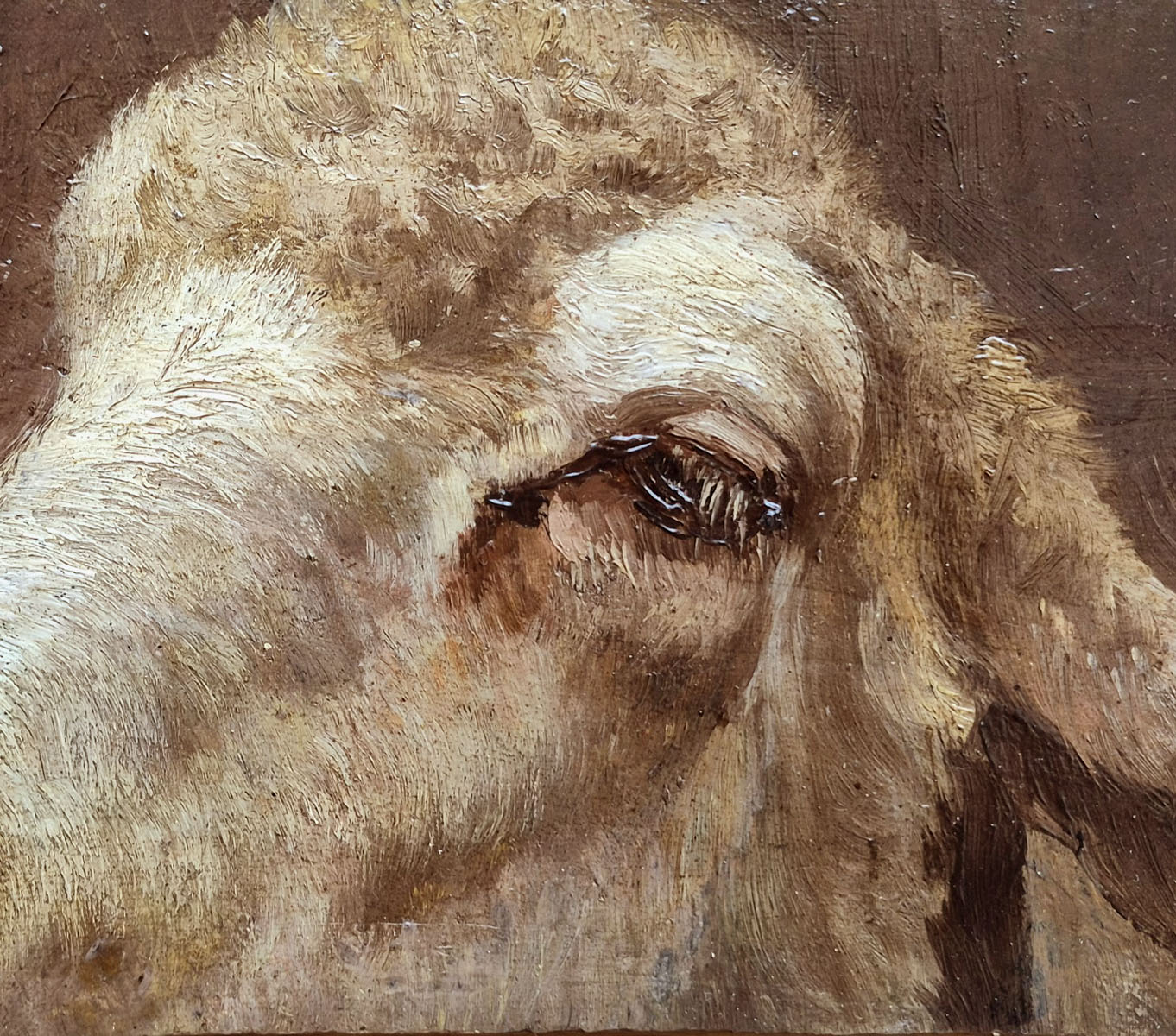
Oil on panel, *Sheep*, attributed to Charles Emile Jaque
2.500,00 €
Charles Emile Jacques 1813–1894
Unlike many artists of his time who were trained at art academies, his training was primarily practical. At the age of seventeen, he began an apprenticeship with a map engraver, where he developed remarkable mastery of line work.
After completing his military service, he spent some time in England, where he worked as an illustrator and wood engraver, notably on editions of Shakespeare. Upon his return to France, he quickly established himself as one of the finest engravers of his generation
Further information
| Dimensions | 41 × 27 cm |
|---|
Around 1845, Jacque gradually turned his attention to painting. He was irresistibly drawn to the artistic revolution that was taking place at that time in the Fontainebleau Forest.
In 1849, to escape the cholera epidemic ravaging Paris, he moved to Barbizon, where he joined Jean-François Millet and Théodore Rousseau, among others. He quickly became one of the leading members of the Barbizon School.
Unlike Rousseau, who was fascinated by forest landscapes, or Millet, who was deeply drawn to the human figure, Jacque found his niche in animal painting. He became a leading expert on sheep, poultry, pigs, cows, and farm scenes.
His animals are never merely part of the backdrop: they are the true subjects of the painting, observed with almost scientific precision but always imbued with deep sensitivity.
Jacque himself owns a farm in Barbizon where he raises animals so he can study them firsthand. This daily practice fuels his anatomical observations and explains the remarkable accuracy of his depictions.