
Oil on panel, C'est la rentrée by Vincenzo IROLLI
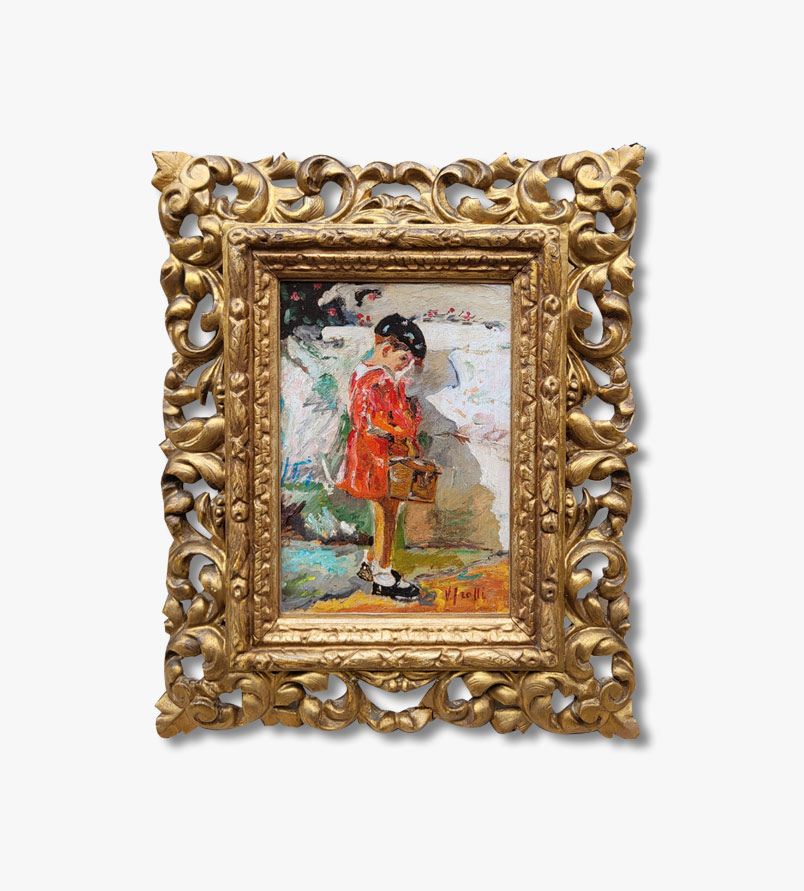
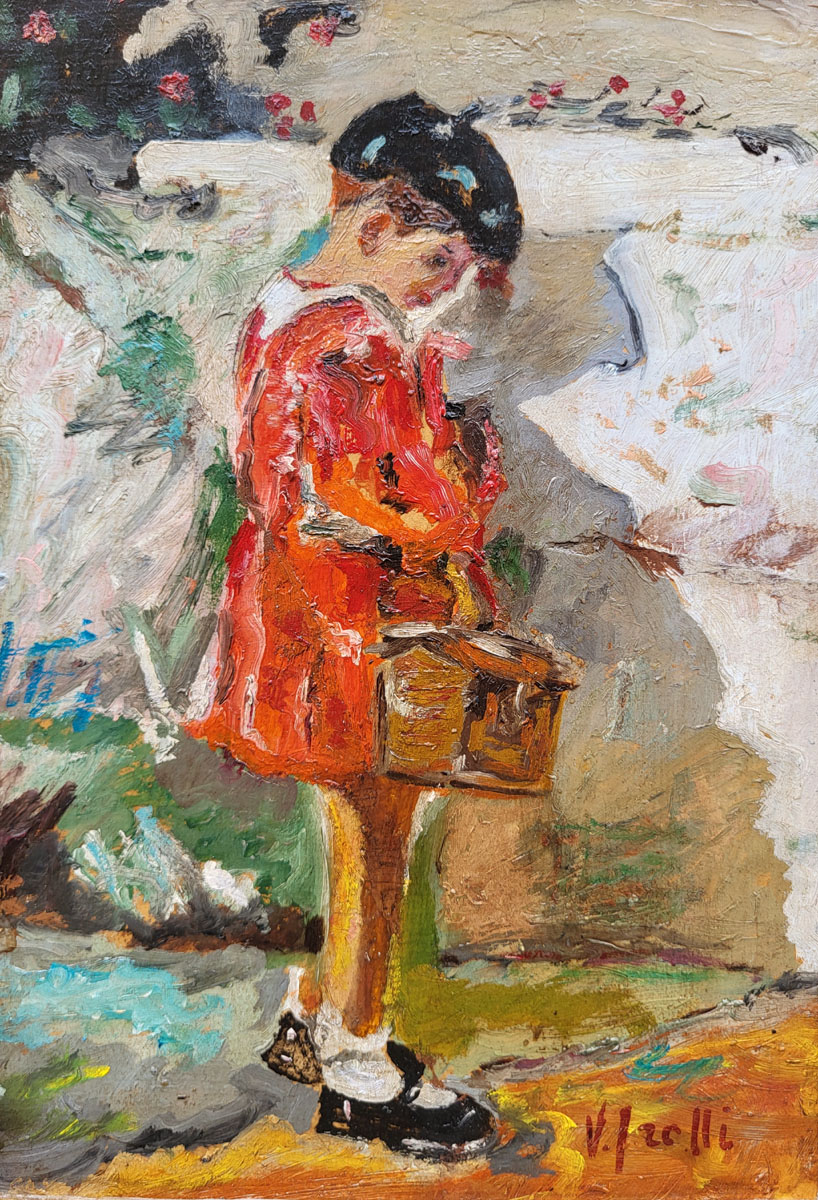

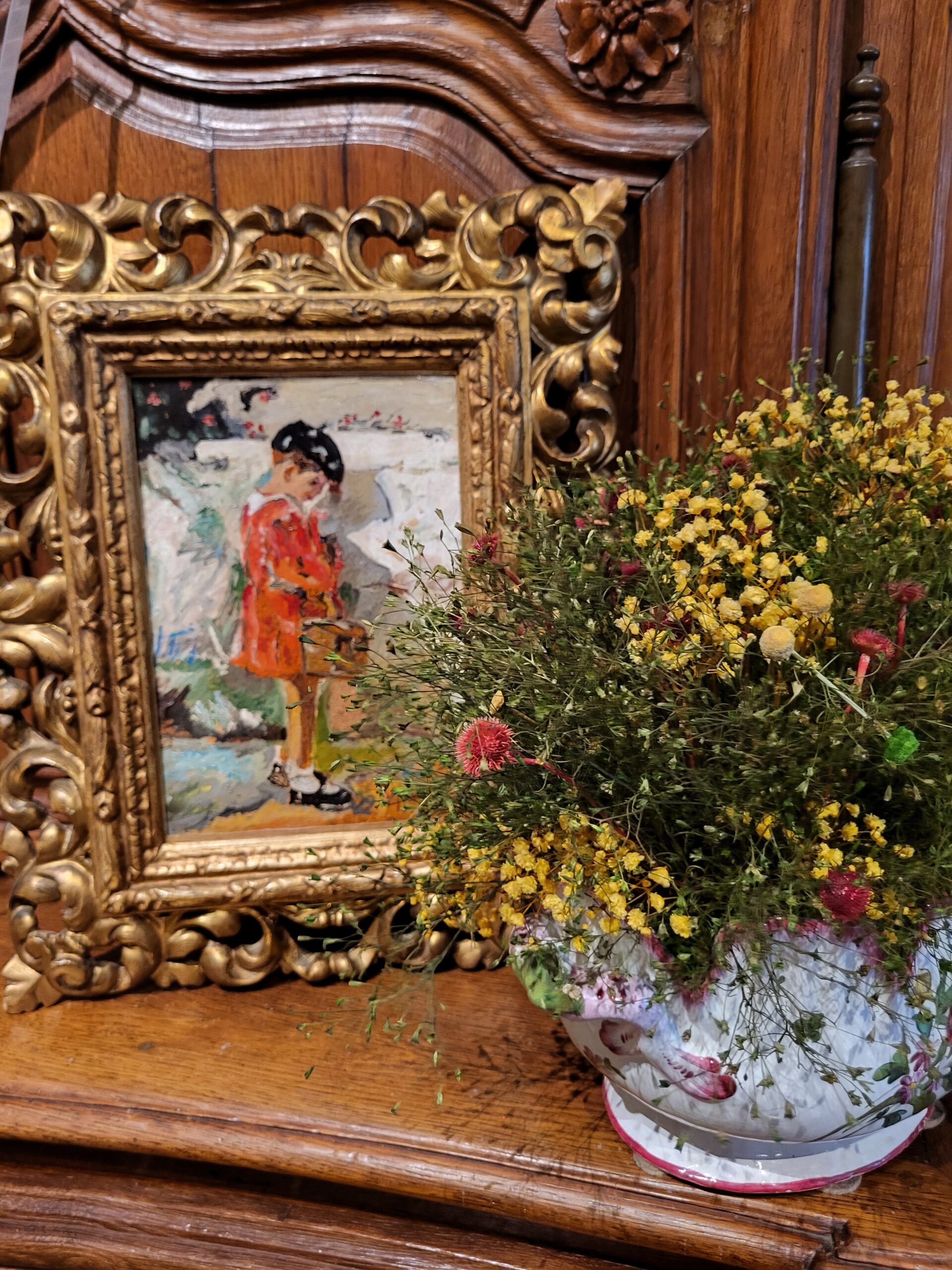
Oil on panel, C'est la rentrée by Vincenzo IROLLI
Prix sur demande / prices on request
Vincenzo Irolli 1860-1949
Born in Naples in 1860, he began training in 1877 at the city's Institute of Fine Arts with masters such as Gioacchino Toma, Maldarelli, Licata and Stanislao Lista.
Quickly recognized for his talent, he won first prize at the Promotrice of Naples in 1879, launching a rich and fruitful career.
A sensitive painter and virtuoso colorist, Irolli devoted himself to genre scenes, popular life and portraits, as well as intimate themes such as motherhood and childhood.
His luminous style, often described as "pittore del sole", appealed far beyond Naples.
Further information
| Dimensions | 37 × 52 cm |
|---|
A major figure on the international art scene, he exhibited in Venice, Munich, Berlin, London and Paris, notably at the Salon and Salon d'Automne, where some of his works were acquired by the City of Paris. In 1911, he was awarded a bronze medal at the Barcelona International Exhibition.
An active member of the Circolo Artistico Napoletano, he also helped decorate the famous Caffè Gambrinus. His output, estimated at several thousand works, testifies to his inexhaustible creativity and deep attachment to his native land and his favorite themes.
Until the last years of his life, Irolli continued to exhibit in Italy and abroad, including a major solo show in Bari in 1933. He died in Naples in 1949, leaving an abundant body of work that remains a vibrant testimony to Neapolitan painting of the late XIXᵉ and early XXᵉ centuries.
Here, the artist depicts a schoolboy in traditional turn-of-the-century Neapolitan costume.
He is in profile, dressed in a coat whose breathtaking red color brightens the canvas. The child seems absorbed by the box in his hands, perhaps a satchel or small briefcase, an attitude that takes us back to our childhood memories.
The brushstrokes are lively, with broad, generous serifs, typical of Irolli's style in his small-format canvases. The bold, contrasting colors and framing put the child at the center of compassion: the flamboyant red of the outfit contrasts sharply with the white stone in the background.